
Dog Backpacks and Hiking Gear: What Is Worth Carrying
By · Updated November 2, 2026
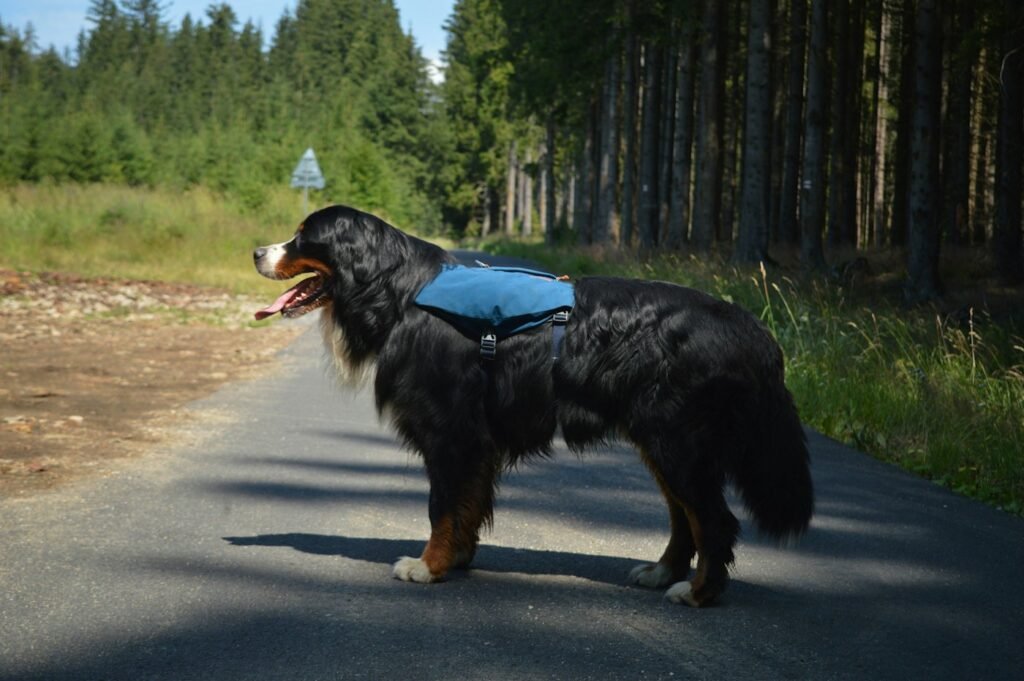
Disclosure: As an Amazon Associate we earn from qualifying purchases. This guide is educational and is not a substitute for advice from your veterinarian.
A dog on a trail looks born for it, and many dogs are. But a day on rocks, roots, and long climbs is a different workload from a neighborhood walk, and the gear that helps is not always the gear that sells. The pack that looks adventurous on the product page can turn into a sore back if it is loaded or fitted badly.
Choosing dog hiking gear starts with a question most buying guides skip: what should this particular dog carry, if anything? From there it is a matter of fit, paw protection, water, trail manners, and the small hazards that turn a good hike into a vet visit. This guide goes through those in order, with the aim of a dog who finishes the hike happy and sound.
Quick Answer
Not every dog needs a pack. Healthy, fit adult dogs may carry a light one after a vet check and gradual conditioning, while puppies, seniors, and dogs with joint or back problems should skip it. Start empty, then add small, balanced loads. The essentials are water, a leash, waste bags, and paw checks.
Does Your Dog Need to Carry Anything?
Most dogs do not need a pack. A well-conditioned dog can hike a long way with nothing on their back, and you can carry the water, food, and first-aid supplies yourself. Packs are mainly useful for sharing the load on longer trips, and for dogs who enjoy having a “job.”
If you do want your dog to carry something, start with the dog, not the gear. Age, fitness, build, and health decide whether a pack is a good idea. A vet can check the spine, joints, and heart before you add weight, and can say whether carrying is reasonable for your dog at all.
Who Should Skip the Pack
Puppies are still growing, and their joints and growth plates are developing; extra weight is a poor idea until a vet says otherwise. Senior dogs and dogs with arthritis, hip or elbow problems, or back pain are better off hiking light. Flat-faced breeds can struggle with exertion and heat, and long-bodied breeds such as dachshunds have spines that deserve extra caution.
Dogs with heart, lung, or other medical conditions need individual advice. Overweight dogs benefit from conditioning first, and adding load can stress their joints.
Even a healthy dog should not carry on a hot day. Heat adds to the strain, and a pack traps warmth against the back. Our guide to cooling vests and heat safety explains how to judge conditions.
Starting Light: Weight Without a Magic Number
Forums are full of body-weight percentage rules, but no single figure fits every dog, and a formula cannot account for age, fitness, terrain, or temperature. Ask your vet what is sensible, and err on the lighter side.
Introduce the pack empty. Let the dog wear it around the house, then on short walks. Add a little weight in each side, such as a collapsible bowl or a bag of waste bags, balanced so the pack does not tilt. Build up over weeks, watching the dog’s gait, posture, and attitude. Reluctance, a drooped tail, or stiffness the next day all mean the load was too much.
Pack soft, flat items against the dog’s body, not hard objects that poke. Avoid sharp or heavy items, and never put food that attracts wildlife in a pack you leave unattended. Weigh the pack at home so you know what the dog actually carries.
Fit Check Before You Leave the Driveway
A pack that fits poorly rubs, shifts, and wears out the dog faster than the trail does.
The saddlebags should sit over the ribcage and rear of the shoulders, not on the neck, and not over the loin near the hips. Straps should pass behind the front legs without pressing into the armpit. The chest strap should be snug enough that the pack does not swing, but not so tight it limits shoulder motion or breathing.
Check the dog’s movement. Walk, trot, and ask for a sit and a lie-down. Look for chafing at the edges after the first hikes. Our guide to measuring and fitting a dog harness explains how to take chest and girth measurements, which apply to packs too. Many dogs do better with a hiking harness with a handle, which lets you assist on tricky terrain, rather than a pack at all.
What to Bring: Gear and When It Matters
| Gear | When it matters | Note |
|---|---|---|
| Dog backpack | Longer hikes with a fit, healthy dog | Start empty, add balanced light loads; skip for puppies, seniors, and dogs with joint or back issues |
| Hiking harness with handle | Rocky scrambles, stream crossings, steep sections | Lets you lift or steady a dog; must fit well |
| Boots | Sharp rock, hot ground, snow and ice, abrasive terrain | Need gradual introduction; not for all dogs |
| Water and collapsible bowl | Every hike | Carry more than you expect; see travel bowl options |
| Leash or hands-free leash | Required by many trails | See hands-free dog leashes |
| ID tag and microchip | Every hike | A dog that bolts after a startle needs to be found |
| First-aid items | Remote trails | Ask your vet about contents |
| Tick remover | Wooded and grassy trails | Check the dog after the hike |
| Reflective or light-up gear | Dawn, dusk, and shaded forests | Helps you spot your dog |
| Life jacket | Streams, lakes, boating | See dog life jackets |
| Towel | After water or mud | Dries the dog and cleans paws |
Boots and Paw Care
Paws are the first place a hike shows its cost. Hot rock, sharp scree, burrs, ice, salt, and rough sand can all injure pads. Boots help on some terrain, but they are a skill, and many dogs dislike them at first.
Measure the paw width as the maker directs, and choose a snug, flexible boot that stays put without rubbing. Introduce them slowly, indoors with treats, for short periods. A dog may walk with an odd, high-stepping gait at first.
Not every dog needs boots. A dog with tough pads who hikes regularly may do fine without them on moderate terrain. After every hike, check pads, between the toes, and under the dewclaws. Look for cuts, burrs, foreign objects, and swelling, and call your vet if something seems wrong.
Water, Ticks, Wildlife, and Other Trail Hazards
Carry enough water for the dog as well as yourself, and offer it often. Avoid letting your dog drink from standing water, ponds, or slow streams, which may carry parasites or bacteria. In warm weather, watch for heavy panting and slowing, and rest in shade.
Ticks are common in wooded and grassy areas. Check your dog thoroughly after the hike, especially around the ears, neck, armpits, and between the toes, and talk to your vet about prevention suited to your region.
Wildlife varies by area. Snakes, porcupines, skunks, and larger animals can cause injuries. A dog on a leash is far less likely to encounter them. Plant hazards, such as burrs and seed heads, also vary by region. Ask a local vet or the park service what to expect.
Trail Rules and Manners
Many parks and trails restrict dogs, and some do not allow them at all, including many areas in national parks. Always check the rules for the specific trail before you go. Where dogs are allowed, leash requirements are common.
On the trail, yield to others, keep your dog on the side, and shorten the leash when passing. Pick up waste and carry it out. A dog who barks at horses, runners, or other dogs can cause problems, so train a reliable recall and a calm pass before you head out. A hands-free leash can keep your hands free on rough ground, and our guide to hands-free dog leashes explains the trade-offs.
Conditioning Before the Big Hike
Dogs need to build up just as people do. Start with shorter, easier hikes and add distance and elevation over weeks. Watch for lagging, heavy panting, limping, or stopping. These are signs to rest or turn around.
After a hard day, watch for soreness and stiffness the next morning. If your dog seems sore for more than a day or two, speak with your vet.
Advantages
- Carrying a pack can give an energetic, fit dog a job and share light supplies.
- A hiking harness gives you a handle for steep or tricky sections.
Drawbacks
- Carrying a pack adds strain, traps heat, and may rub, and it is a poor idea for many dogs.
- Boots and packs both require gradual introduction, and some dogs never accept them.
Border Collie, Beagle, Puppy: Who Carries What
Picture a fit three-year-old border collie on a day hike. After a vet check and weeks of building up, a light pack with a collapsible bowl and waste bags is reasonable. Rest stops and water breaks keep the load safe.
Picture a nine-year-old beagle who loves the woods. Skip the pack, choose shorter loops, and carry the supplies yourself. A hiking harness helps on steps.
Picture a Labrador puppy on a family weekend. Keep outings short, flat, and on soft ground. No pack, no long climbs, and plenty of rest.
Mistakes That Cut a Hike Short
- Loading the pack to match a formula. There is no safe number for every dog.
- Skipping the trial runs. Fit problems appear after a mile, not in the store.
- Forgetting water for the dog. A dog can drink faster than you expect.
- Ignoring local rules. A trail that bans dogs is not a gray area.
- Assuming boots are optional or essential. Judge by terrain and the dog’s pads.
- Skipping the post-hike check. Ticks, burrs, and small cuts are easy to miss.
Vet Advice for Fitness, Joints, and Parasites
For veterinary guidance on fitness, joints, and parasite prevention, your own vet is the best source. The ASPCA travel safety guidance and the ASPCA travel safety guidance provide general information on outdoor activity and safety.
Frequently Asked Questions
How heavy should a dog’s pack be?
There is no single safe figure. Start empty, add small amounts, and ask your vet what is reasonable for your dog’s age, build, and fitness.
Are dog boots necessary?
Not for every dog. They help on sharp, hot, icy, or abrasive terrain, but they need a gradual introduction and a good fit.
Can I use a regular harness for hiking?
Often yes, if it fits well and does not restrict movement. A hiking harness adds a sturdy handle and padding, which helps on rough terrain.
How do I protect my dog from ticks?
Ask your vet about prevention suited to your area, and check your dog carefully after every hike. Remove ticks promptly with a tick remover.
Should my dog carry its own water?
A small pack can carry a collapsible bowl and a little water, but you will probably carry most of it. Water is heavy, and the dog’s load should stay light.
How do I know if my dog is tired?
Look for slowing, lagging behind, heavy panting, stumbling, or sitting down. Stop in the shade, offer water, and head back if the dog does not recover quickly. Stumbling, collapse, vomiting, or panting that will not settle can be heatstroke, so treat it as an emergency and see our heat-safety guide.
Let the Dog Set the Pace
On your next hike, plan a route shorter than you think your dog can manage, and let the dog show you what they can do. Turn around while they still want more, and note what you learned: how the gear fit, how the paws looked, how they slept that night. That information is worth more than any packing list.