
Hands-Free Dog Leashes: Great for Running, Risky for Pullers?
By dogbowwow · Updated November 2, 2026
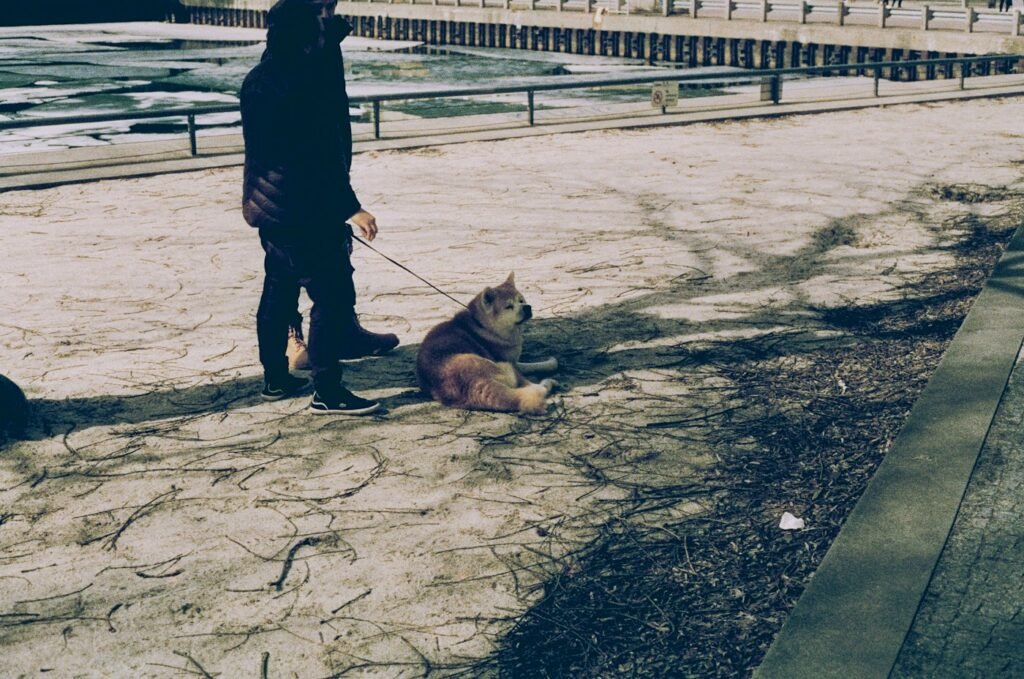
Disclosure: As an Amazon Associate we earn from qualifying purchases. This guide is educational and is not a substitute for advice from your veterinarian.
Anyone who has tried to jog with a dog in one hand and a phone in the other knows the problem. The leash arm swings out of rhythm, the dog drifts, and every squirrel yanks your shoulder. A line clipped to a belt around your waist seems like the obvious fix.
A hands free dog leash does solve that, for the right dog and the right person. It can also turn a manageable puller into a way to be dragged face first onto the pavement. This guide looks at how these systems are built, where they help, where they cause trouble, and the groundwork that makes the difference between a pleasant run and a bruised hip.
Quick Answer
A hands free dog leash clips a bungee line to a waist belt, which suits running, hiking, and walking with a dog who already keeps a loose line. For a strong puller, it moves the pull to your lower back and balance, which can pull you off your feet. Teach loose-leash walking on a regular leash before you strap in.
How a Hands-Free System Is Put Together
Most designs have three parts. A waist belt, sometimes a wide padded band and sometimes a slim strap, wraps around your hips and carries a ring or loop at the front or side. A leash section, usually with a stretchy bungee in the middle, connects the belt to your dog. And a clip attaches to your dog’s harness.
Many also include a short handle near the clip. It is easy to overlook, but it is the feature that lets you grab the line close to the dog when you need to stop a lunge, move past a person, or cross a road. Others add a small pocket on the belt for keys, bags, or treats, and a few use a cross-body strap instead of a waist belt, which spreads the load differently.
What the Bungee Actually Does
The elastic section absorbs the jerk when your dog changes speed or direction. Instead of an abrupt snap, you feel a progressive pull. That is gentler on your back and on your dog’s harness, and it makes uneven running paces feel smoother.
There is a trade-off. An elastic line stretches, which means your dog can gain extra distance before the tension builds. A line that is four feet at rest may stretch well beyond that, so check the maker’s stated extended length, not just the resting length, before you take it near traffic or other dogs.
Where Hands-Free Walking Shines
Picture a medium-sized dog who already walks beside you. On a trail run, the belt keeps your arms free for balance, and the bungee takes the sting out of her darting to sniff a rock. On a hike with poles, you can use both hands for the poles and still stay connected. For gardening or carrying groceries, a belt lets you move while the dog stays near.
It also helps owners with hand or wrist pain, or anyone who finds gripping a leash tiring. Walking a calm, well-trained dog on a belt line can be more comfortable than clutching a loop.
If you hike, you may also be interested in our guide to dog backpacks and hiking gear, which covers what dogs can carry and what is best left to you.
Where It Goes Wrong
The risk is concentrated in one scenario: a dog who pulls hard or lunges. A hand-held leash lets you give with your arm. A belt anchors the force to your center of gravity. When a strong dog bolts, it can pull you off balance in an instant, and you may fall before you can reach the clip.
The belt can also ride up, putting pressure on your ribs or lower back. Other issues include:
- Reaction time. With a hand-held leash, you instinctively tighten or shorten your grip. With a belt, you have to reach for the line.
- Traffic and crowds. A stretchy line gives your dog a bit more room, which is the opposite of what you want at a curb.
- Reactive dogs. Handling a dog who lunges at other dogs is easier with a firm hand-held grip.
- Back strain. Repeated jerks on a belt transmit force to your lower back.
Advantages
- Hands-free line frees your arms to run, use poles, carry a bag, or hold a phone.
- Bungee section softens jerks for both you and your dog.
Drawbacks
- Hands-free line moves any pulling force to your hips and lower back, which is hard on a strong puller's handler.
- Bungee section adds slack and stretch, which reduces precision around roads and other dogs.
Which Dog and Which Person
| Dog | Person | Verdict |
|---|---|---|
| Calm walker or steady jogger, little pulling | Fit, steady on their feet | Good match |
| Moderate puller improving with training | Strong core, comfortable with training | Possible, using a handle and a short line while you train |
| Strong puller or lunger | Any, especially a lighter person | Poor match until training improves; consider a hand-held leash |
| Reactive dog | Any | Use a firm hand-held leash and a trainer’s plan |
| Small dog | Taller person | Fine, but check the line is not dragging, and keep it short |
| Young puppy or dog with joint concerns | Any | Ask your veterinarian first about running |
| Flat-faced breed | Any | Take care with distance and heat; check with your veterinarian |
Skills to Teach Before You Strap In
A hands-free line is not a training tool. Before you use one, practice with a regular six-foot leash until your dog walks beside you without tension in familiar places. Our guide on no-pull harness, head halter, or flat collar covers the equipment that supports that stage.
Teach a few cues that work at a distance: “wait” or “stop,” a recall, and a cue that means “slow down.” Practice them at a walk before a jog. Then build up distance and speed slowly.
Fitness matters as well. Growing puppies, older dogs, dogs with joint problems, and flat-faced breeds may not be ready for sustained running. Your veterinarian can tell you when a young dog’s joints are ready for jogging and whether a particular dog should run at all. Heat, hard pavement, and long distances add risk. The AVSAB behavior and humane-training position statements are a helpful place to start for general health questions, and the AVSAB behavior and humane-training position statements has ideas for active outings with dogs.
Choosing the Belt, Clip, and Handle
A few details make a difference.
- Belt fit. It should sit on the hips, not the ribs, and stay put without cutting in. Adjust it so the ring rests at the front or side, whichever you find more stable.
- Quick release. A buckle or clip you can open with one hand lets you detach if you start to fall or if the dog becomes tangled.
- Clip quality. A sturdy bolt snap or locking carabiner on the dog end resists accidental opening. See our guide on how to choose a dog leash for clip differences.
- Handle. Look for a second loop near the dog, ideally padded.
- Attach to a harness. Clip the line to a well-fitted harness, not a collar, to spare the neck on sudden stops.
- Visibility. Reflective trim and a light help you and your dog be seen at dusk.
A First Run, Step by Step
- Fit the belt and harness at home and check that nothing rubs or rides up.
- Walk around the yard or a quiet street with the line attached, practicing your stop and recall cues.
- Hold the handle for the first outings so you can shorten the line instantly.
- Start with a gentle walk-jog interval, a couple of minutes at a time, in a place with no traffic.
- Watch your dog’s breathing, paws, and willingness to keep going, and stop if either of you is struggling.
- Increase distance gradually over weeks.
Habits That Cause Falls and Close Calls
- Using it on a lunger. Your center of gravity is now the anchor. Train first.
- Clipping to a collar. A hard stop lands on the neck. Use a harness.
- Ignoring the stretched length. Know how far the line reaches before you approach roads.
- Running on slick or uneven ground. Wet leaves, ice, and loose gravel increase the chance of a fall.
- Wearing it in a crowd. In dense places, switch to a short hand-held line.
- Skipping the quick-release check. Test the buckle at home so you know how it works.
For a comparison with other ways of giving a dog room, see our article on retractable leashes and their alternatives.
Frequently Asked Questions
Can I use a hands-free leash for a dog that pulls?
It is not a good idea until the pulling improves. A strong dog can pull you off balance because the belt anchors the force at your hips. Practice loose-leash walking on a regular leash first.
Should I clip a hands-free leash to a collar or a harness?
A harness is usually the better choice, because it spreads the pull across the chest and avoids neck strain from a sudden stop. If your dog has a specific health concern, ask your veterinarian which equipment suits them.
How long should a hands-free leash be?
Around four to six feet at rest suits most jogging and walking, but think about the stretched length too. Shorter is easier to control in towns. Longer may feel better on a trail with no traffic.
Can I walk two dogs with one belt?
Some owners use a coupler or two lines, but two excited dogs can pull in different directions and unbalance you. Start with one dog and add the second only if both walk well.
Is it safe to run with my dog on a hands-free line?
It can be, with a fit and healthy dog who has been conditioned gradually, in suitable weather and on forgiving surfaces. Stop at the first sign of struggle, and talk to your veterinarian about your dog’s readiness.
What if my dog suddenly bolts while I am wearing the belt?
If you can, grab the handle and plant your feet. If your belt has a quick-release, use it if you start to fall. Practice that motion in a calm setting so it becomes automatic.
Build the Habit Slowly
The best use of a hands-free line comes after a quiet, boring month of regular leash walking. Once your dog stays beside you on loose slack, add the belt on easy routes and build up from there. Keep a hand-held leash in your bag for crowded or tricky stretches, and let the belt do what it does best: make good walking easier.