
Collapsible and Travel Dog Bowls: What to Look For
By dogbowwow · Updated November 2, 2026
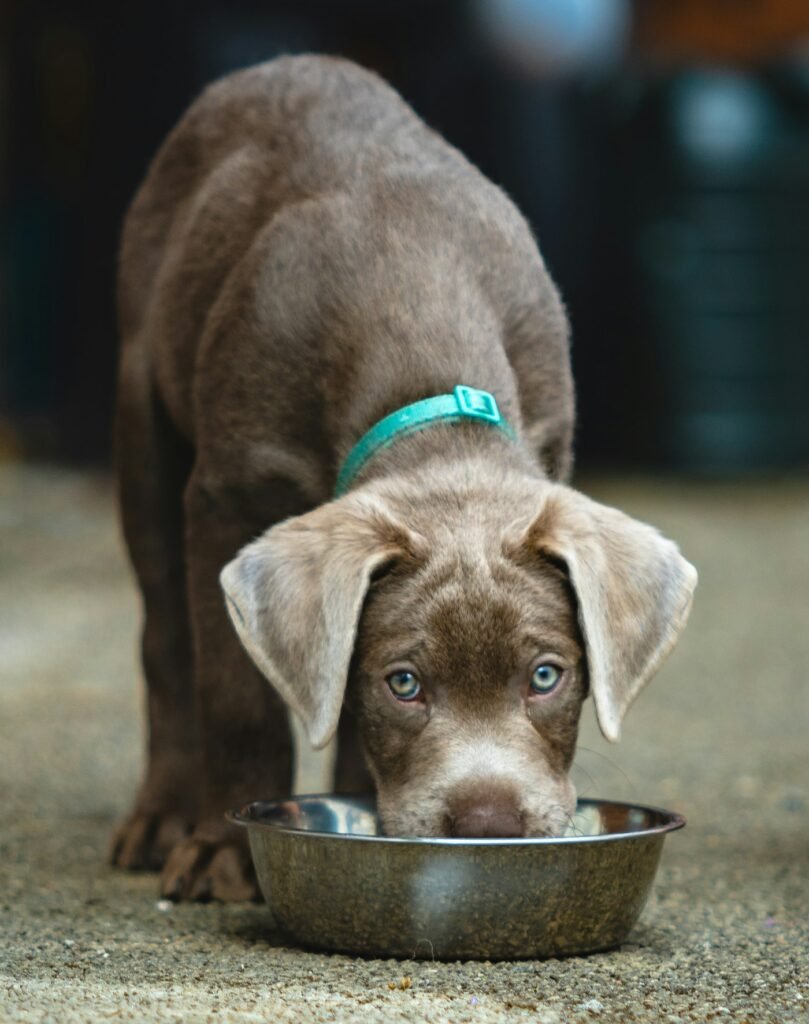
Disclosure: As an Amazon Associate we earn from qualifying purchases. This guide is educational and is not a substitute for advice from your veterinarian.
Four miles into a hike, your dog is panting, you are out of patience with the bowl in your pack, and the bowl will not stand up. It folds in on itself as soon as water goes in, sloshes onto your boots, and your dog gets two laps out of it. That is the moment a collapsible dog bowl either earns its place in the bag or does not.
Travel bowls look much alike on a listing, but they behave very differently on a trail, in a car or at an airport gate. This guide explains how the main designs differ, what to check before you pack one, and how to keep your dog’s water safe once you are away from the kitchen tap.
Quick Answer
A good collapsible dog bowl packs flat, holds its shape when your dog leans on it, and rinses clean with a splash of water. Silicone suits most trips, fabric bowls pack smallest, and bottle-and-bowl combinations simplify hiking. Match the design to the trip, carry water from home, and avoid still or scummy trailside water.
Four Designs, Four Personalities
Most travel bowls fall into four families.
Silicone bowls fold into a flat disc or stack down to a few inches. The best have a firm rim and a thick base. They are easy to rinse and tolerate a hot wash, but they can pick up odors and a determined chewer can tear them.
Fabric bowls use a nylon-type outer with a waterproof lining. They pack the smallest and weigh almost nothing, but the lining can crease, seams can leak over time, and the fabric needs drying before it is stored.
Stainless collapsible bowls use ribbed or accordion walls. They are tough and do not hold odor, though the folds can trap grit, and the hardware is bulkier than silicone.
Bottle-and-bowl combinations pair a water bottle with an attached trough or a cup in the lid. They carry water and a drinking surface in one item, which simplifies hiking. The trade-off is that the trough is often shallow, and tipping water into it sometimes wastes a splash.
Rim Stiffness Decides Whether a Dog Will Use It
A bowl that cannot hold its shape is a bowl dogs avoid. When you press on the sidewall, it should resist. A stiff rim means the bowl stays upright when your dog pushes in to drink, and a wider base is harder to knock over.
Test at home. Fill it with water, set it on the floor, and watch how your dog drinks. If the walls bow inward, the bowl drains toward the dog’s chin, or the base rocks, it will frustrate your dog on the trail. For small dogs, a lighter bowl can be fine; for larger dogs who lean in, stiffness matters far more.
Capacity Versus How Dogs Actually Drink
Bigger is not always better. A bowl that holds a lot of water is awkward to carry and refill, and dogs on the move usually drink a bit at a time. What matters is that you offer water often, and that the bowl is large enough for your dog’s muzzle to fit comfortably.
Choose size by dog. A large breed wants a wider bowl so the muzzle is not squeezed; a small dog does well with a shallow, compact one. Our guide to dog bowl size and shape goes through the anatomy. Then match the carried water to the trip, since a bowl is only half the system: you also need enough water to fill it, for you and your dog.
Clips, Hinges and Hardware
Many collapsible bowls come with a carabiner-style clip so you can attach them to a pack or belt. This is convenient, but it is a convenience clip, not climbing gear, so do not rely on it to hold weight.
Check the hardware before you buy. The clip should close firmly and not open on a bump. Edges should be smooth, since sharp metal is a hazard near your dog’s tongue. Cheap clips can rust or snap, so inspect them occasionally. If you carry the bowl on the outside of a pack, make sure it cannot snag on branches; our guide to dog backpacks and hiking gear covers how to organize a trail kit.
Odor, Leaks and Cleaning on the Road
Travel bowls get dirty in ways kitchen bowls do not: dust, mud, sand, dried drool, food residue. Cleaning on the road is mostly about a few small habits.
- Rinse after each use with a splash of clean water, then wipe with a cloth or paper towel.
- Dry before packing. A damp, folded bowl can grow musty. Pat it dry and let it air out when you reach a rest stop.
- Bring a small bag for the used bowl so grit and drool stay out of your pack.
- Wash properly each evening with hot, soapy water, or in the dishwasher if the label allows. See our guide to how to clean dog bowls for a routine.
- Sniff test. If a silicone bowl smells stale after washing, a soak in warm water with a splash of white vinegar, followed by a thorough rinse, often helps. Do not mix vinegar with other cleaners.
A bowl that leaks at the seams is not worth a second trip. Fill it with water at home and check it after ten minutes.
Packing Food as Well as Water
Most owners carry a single bowl for both food and water, which works if you rinse well between uses. A second small bowl is lighter than the trouble of a shared one, especially for dogs with sensitive stomachs.
Keep food dry and sealed until you need it, and pour only what your dog will eat. Leftover kibble in a travel bowl attracts insects and wildlife on a trail and can turn smelly in a car. If you carry food in a container, our guide to dog food storage containers explains how to keep it fresh.
Heat, Parked Cars and Trailside Water
Two safety points matter more than any feature list.
The second point is where the water comes from. A stream, pond or puddle can carry parasites, bacteria or toxic algae. Blue-green algae blooms, which can look like a scum or paint on the surface of still water, can be dangerous to dogs. Do not let your dog drink from or swim in water that looks scummy, discolored or foul-smelling. If your dog has been in suspect water and seems unwell, call your veterinarian or the ASPCA Animal Poison Control straight away.
The easiest solution is to carry your own water from home. It removes the guesswork, and your dog is already used to the taste. For general information on keeping pets healthy while traveling, the FDA guidance on safe pet-food handling and CDC guidance on cleaning pet supplies are good places to start.
Which Bowl for Which Trip
The table below matches each travel scenario to a design, rather than naming one “best” bowl for everything.
| Scenario | Design that fits | Why | Watch out for |
|---|---|---|---|
| Day hike | Silicone bowl clipped to pack, or bottle-and-bowl | Quick access; low weight | Rim that collapses; clip security |
| Road trip | Silicone or stainless collapsible, with a stable base | Easy to use at rest stops and simple to clean | Spills in the car; keep sealed when stored |
| Flight or airport | Soft fabric or silicone, packed flat | Fits a carry-on; light | Check your airline’s rules for crate bowls |
| Beach day | Wide silicone bowl with fresh water | Easy to rinse free of sand; wide for large muzzles | Do not let your dog drink salt water |
| Camping | Stainless collapsible or sturdy silicone | Rinses easily and handles rough treatment | Wildlife attracted to food odor |
| Urban errand | Compact fabric or small silicone | Fits in a bag | Mold if stored damp |
Advantages
- Silicone folds flat, wipes clean, and is quiet and easy to handle.
- Fabric packs smallest and weighs least.
- Bottle-and-bowl designs carry water and a drinking surface together.
Drawbacks
- Silicone can hold odor and tear if chewed.
- Fabric can leak at seams and needs drying.
- Bottle-and-bowl troughs can be shallow and waste water.
Travel Bowl Errors That Show Up at the Worst Moment
Picture a weekend road trip with a young Labrador. The owner packs a flimsy fabric bowl, does not dry it before folding, and finds it musty by Sunday. A silicone bowl with a stiff rim, wiped and aired at every stop, would have been fine.
Picture a family flying with a small terrier. They pack a bulky bowl that takes up a third of the carry-on, and discover that the airline has its own rules for crate water dishes. A compact fabric bowl and a quick call to the carrier would have been easier. For airline and international requirements, the USDA APHIS pet travel page is a good starting point, though your airline’s policies still apply. See also our guide to packing for a road trip with your dog.
Other common errors:
- Buying by color or compactness alone. A bowl that packs small but collapses under a drinking dog is false economy.
- Skipping a test run. Check fit, stability and leakage at home.
- Carrying too little water. Plan for your dog’s drinking, not just the bowl.
- Letting the bowl live in the car. Heat can damage some silicone and fabric linings; bring it inside after each trip.
Frequently Asked Questions
How much water should I carry for a hike?
There is no single figure, because it depends on your dog’s size, the temperature, the terrain and how hard your dog is working. Carry more than you expect to need, offer water at regular stops, and turn back if your dog seems overheated or unwilling to drink.
Are collapsible bowls safe for puppies?
Generally yes, if they are made of food-safe material and the puppy does not chew them. Supervise, because puppies can tear soft silicone and swallow pieces.
Can I put a collapsible bowl in the dishwasher?
Many silicone bowls can go in the top rack, but check the product label. Fabric bowls usually need hand washing and air drying.
Do dogs need a separate bowl for food and water on the road?
It is not required, but it makes things easier. Separate bowls reduce the chance of food residue fouling the water and let you rinse between meals without delay.
Why won’t my dog drink from the travel bowl?
Unfamiliar smells, a wobbling bowl or stress may be the cause. Let your dog use the bowl at home first, rub a little food on the rim, and use it in a calm spot. If your dog refuses water for long or seems unwell, call your vet.
Is it okay to let my dog drink from a stream?
It carries risk, since moving water can still contain parasites or bacteria, and still water can harbor algae. Carrying your own water avoids the question entirely.
Test It in the Kitchen Before the Trail Gets You
A week before your trip, fill the bowl you plan to take, set it on the floor, and let your dog drink. Check that it stays upright, does not leak, and dries quickly. Then pack it with a bottle of water from home and a small bag for the wet bowl, and the rest of the trip gets much easier.