
No-Pull Harness, Head Halter, or Flat Collar? Comparing Walking Tools
By · Updated November 2, 2026
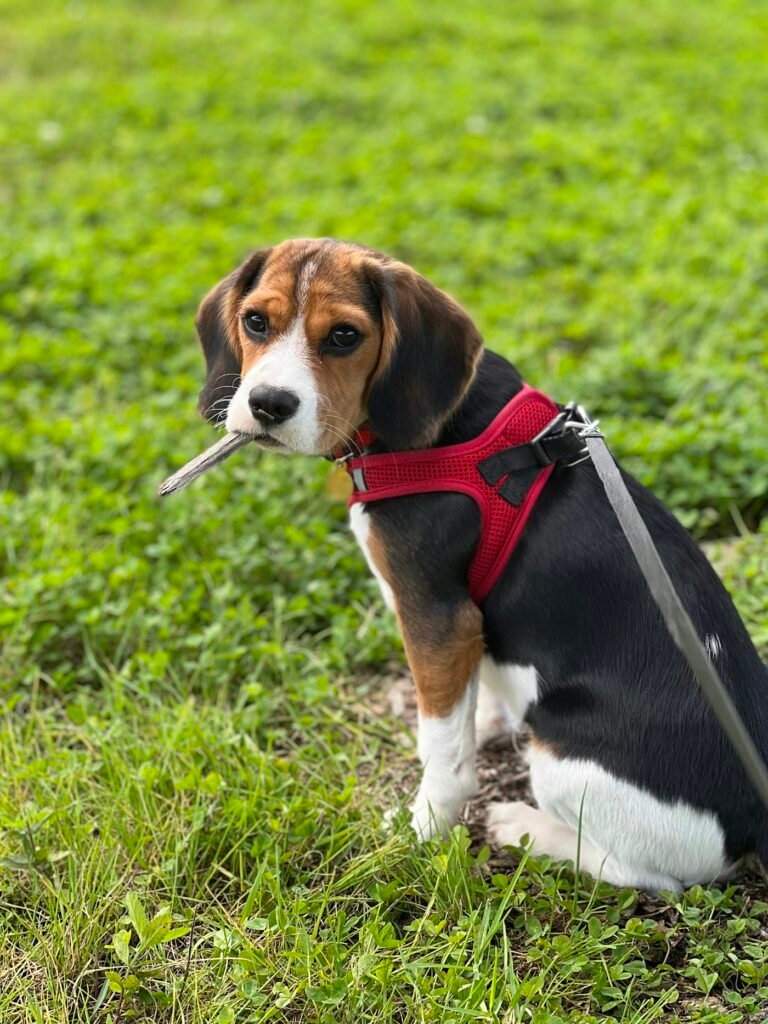
Disclosure: As an Amazon Associate we earn from qualifying purchases. This guide is educational and is not a substitute for advice from your veterinarian.
Walk down a pet store aisle and you will see a wall of gear that promises to end leash pulling. Collars, harnesses, nose loops, and gadgets with names that sound like a promise. It is easy to buy the first one that looks sturdy, only to find your dog is pulling just as hard on a new piece of nylon.
The question of no pull harness vs head halter, or whether a plain flat collar is fine after all, depends on what you are trying to fix, how big and strong your dog is, and how much time you can spend on training. This guide compares the four everyday options, explains the risks of each, and is clear about the category of tools that veterinary behavior organizations ask owners to avoid.
Quick Answer
A flat collar holds ID tags but puts all the pressure on the neck. A martingale stops a narrow-headed dog slipping out. A front-clip harness redirects a strong puller's chest. A head halter steers the head and needs careful introduction. All of them work best with reward-based loose-leash training, and prong, choke, and shock devices are best avoided.
Decide What Problem You Are Actually Solving
Walking tools do different jobs, and mixing them up is how people end up disappointed.
Is your dog pulling steadily toward interesting things? Is your dog lunging or barking at other dogs or people? Does your dog slip out of collars when startled? Or is your dog already a polite walker and you just need a safe way to carry ID? Each answer points to a different tool.
Lunging and barking at triggers is a behavior problem more than an equipment problem. A harness or halter can help you physically manage the moment, but a dog who is frightened or frustrated needs a plan from a qualified trainer or veterinary behaviorist. Slipping out of collars is usually a fit or design issue. Pulling, the most common complaint, responds well to a combination of the right equipment and consistent training.
The Four Tools Side by Side
| Tool | What it does | Suits | Cautions |
|---|---|---|---|
| Flat collar | Holds ID tags; any pulling pressure lands on the neck | Dogs who walk loosely; everyday ID wear | Sudden hard pulls strain the neck; dogs with narrow heads can slip out |
| Martingale collar | Tightens slightly to a set limit when the dog pulls back | Sighthounds and other narrow-headed dogs who back out of flat collars | Does not reduce pulling; fit so it snugs but never chokes when tightened; walks only, remove when unsupervised |
| Front-clip harness | Turns the chest toward you when the dog surges | Medium to large dogs who pull, small dogs with neck or airway concerns | Leash can tangle; poor fit can rub or restrict the shoulders |
| Head halter | Steers by guiding the head, so the body follows | Strong pullers once the dog accepts it | Needs slow introduction; a sudden snap can twist the neck; not for every face shape |
Flat Collars: Great for ID, Limited as Walking Gear
Every dog should wear a flat collar with identification, but it is not the best tool to hold a pulling dog. All the force goes through the neck, and a sudden lunge or hard stop concentrates it there. Veterinarians often suggest avoiding collar-only walking for dogs with airway, neck, or spinal concerns, and for dogs who pull hard.
That does not mean you must retire the collar. If your dog walks nicely on a loose leash, a well-fitted flat collar is fine. For others, keep the collar for tags and attach the leash to a harness. We cover what to put on the tag in our guide to dog collars, ID tags, and microchips.
Martingales: Insurance Against Backing Out
A martingale has a second loop that tightens a limited amount when the dog pulls back, so the collar cannot slip over the head. It was made for dogs whose heads are as narrow as their necks, such as greyhounds and whippets, and it suits any dog who is a known collar-backer.
It is not a pulling solution. A pulling dog still pulls, and some owners mistake the slight tightening for correction, which it is not. The collar should be sized so that, when the loop is pulled snug, it rests against the neck without closing completely. Take it off when your dog is unsupervised, because the loop can snag on crates, branches, or another dog’s teeth.
Front-Clip Harnesses: The Everyday Compromise
A front-clip harness moves the leash attachment to the chest so a pulling dog is turned toward you instead of leaning into the line. It spreads pressure across the torso instead of the neck, which is why many veterinarians prefer harnesses for small dogs and for dogs with sensitive necks.
The drawbacks are fit and tangling. A harness that is loose will rotate, and a chest strap that crosses the shoulders can interfere with a free stride. Our comparison of front-clip and back-clip harnesses goes through those details. For many owners, a well-fitted front-clip harness is the best first tool to try.
Head Halters: Powerful, Useful, and Easy to Get Wrong
A head halter works on a different principle. A strap sits behind the ears and a loop rests over the muzzle, so when you gently guide the leash, the dog’s head turns and the body follows. Because it controls the head, a big, strong dog can be handled by a small or less strong person. That is a real benefit for owners with limited strength, and it is why some trainers keep them in the toolbox.
The risks are specific, though. A dog who bolts to the end of a long leash can have their head snapped sideways by a sudden stop, so use a short, loose leash and never combine a halter with a retractable one; see why in our article on retractable leashes. The nose loop can ride up toward the eyes if it is fitted badly, and some dogs paw at it or rub their face on the ground. Check that your dog can pant, drink, and take treats while wearing it. Flat-faced breeds often do not suit a nose loop, so ask your veterinarian before trying one.
Introduction is the main job. Hold the loop and let your dog put their nose through to get a treat. Repeat for short sessions, then fasten the neck strap, then add the leash indoors. If your dog continues to resist after a week or two, switching to a harness is better than forcing it.
Tools to Skip: Prong, Choke, and Shock Devices
You will see prong collars, chain choke collars, and electronic shock collars sold as solutions for pulling. Veterinary behavior organizations recommend reward-based training and discourage aversive tools because of the risk of pain, injury, fear, and worsening behavior. This site does not recommend any of them.
If a trainer suggests one, it is reasonable to ask why, ask about alternatives, and look for a professional who works with rewards. The AVSAB behavior and humane-training position statements publishes position statements on humane training, and the AVSAB behavior and humane-training position statements are a good place to start discussing behavior concerns with your veterinarian.
Three Dogs, Three Different Tools
Picture a 12-pound terrier who surges to the end of the leash and coughs. A back-clip or front-clip harness takes pressure off the neck, and a short training session each day addresses the pulling itself.
Picture a 75-pound young lab who drags a small adult around the block. A front-clip harness may be enough, but a head halter, introduced slowly, can give far more control while the dog learns to walk beside you.
Picture a lean sighthound who backs out of her collar when something startles her. A martingale on walks and a secure harness with a belly strap for stressful situations is a sensible pairing, and you might read our guide to escape-proof dog harnesses too.
Advantages
- Front-clip harness is comfortable, easy to put on, and widely available.
- Head halter gives the most physical control with the least strength.
Drawbacks
- Front-clip harness can tangle and may not hold a very strong dog on its own.
- Head halter needs patient introduction and can cause neck strain with a hard stop.
Switching Tools Instead of Teaching the Skill
The most common mistake is expecting the equipment to do the training. A harness or halter changes how pulling feels. It does not teach your dog that walking beside you is more rewarding than charging ahead.
Other frequent mistakes include fitting the tool too loosely, leaving it on all day, changing tools every week, and using a halter or harness to manage a dog’s fear without addressing the fear. Build the habit: reward your dog for staying near you, stop moving when the leash tightens, and walk on when it loosens. The AVSAB behavior and humane-training position statements walk through the basics, and a good leash makes it easier; see our guide on how to choose a dog leash.
If you are tempted to free your hands with a waist-worn line, remember that a strong puller can drag you off balance. Read our article on hands-free dog leashes before you try one.
Frequently Asked Questions
Is a harness or a collar better for walking?
For most dogs who pull, a harness is more comfortable because it spreads pressure over the chest instead of the neck. A collar remains useful for ID tags and for dogs who walk loosely. Ask your veterinarian if your dog has neck, airway, or spine concerns.
Are head halters the same as muzzles?
No. A halter loop sits on the nose to steer the head, and the dog can still open the mouth to pant, drink, and eat treats if it is fitted correctly. A basket muzzle prevents biting and is a different tool for a different purpose.
How long does it take a dog to accept a head halter?
It varies. Some dogs accept it within a few days of treat-based introductions, while others need weeks or never settle. If your dog remains upset, choose a different tool instead of pushing through.
Can I use a martingale and a harness together?
Yes. Some owners wear a martingale on walks as a backup attachment, and clip the main leash to the harness. Keep ID on a flat or breakaway collar for the rest of the day, since a martingale loop can snag in play or in a crate. Dual attachment is also a common safety backup for dogs who panic.
Do no-pull tools work on all dogs?
Not always. Strong, highly motivated dogs may still pull. They help most when combined with consistent rewards for loose-leash walking.
When should I call a trainer?
If your dog lunges, snaps, or becomes frantic around other dogs or people, or if pulling continues despite weeks of practice. Look for someone certified who uses reward-based methods, and consider your veterinarian if the behavior is new.
Give the First Tool a Fair Week
Before spending on a second tool, spend one week on the first: a well-fitted harness, a six-foot leash, a pocket full of small treats, and five-minute sessions in a quiet spot. Notice where your dog pulls hardest and plan your next session there. If the dog is no better in a couple of weeks, bring in a professional rather than trying a harsher device.