
Dog Wipes and Paw Cleaners: Are They Worth Using?
By · Updated November 2, 2026
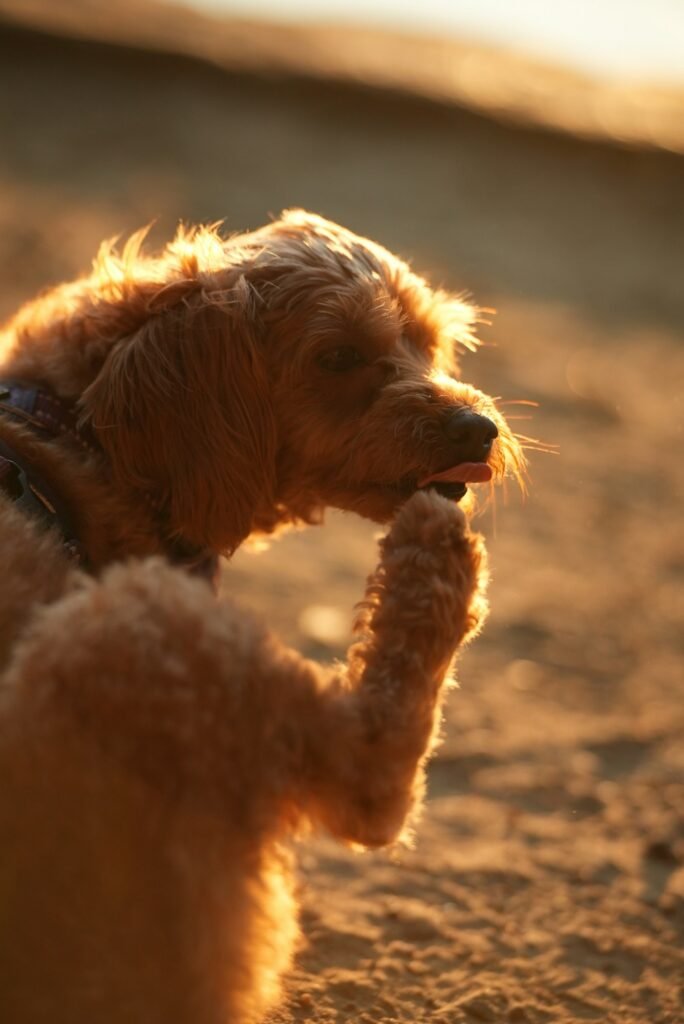
Disclosure: As an Amazon Associate we earn from qualifying purchases. This guide is educational and is not a substitute for advice from your veterinarian.
The front door is where most of a dog’s outdoor life ends up on your floors. Mud, pollen, pavement grit, lawn chemicals and winter de-icer all ride in on four paws, and a full bath after every walk is neither practical nor good for the coat. So the aisle of wipes, paw cups and balms has an obvious appeal.
Whether any of it is worth buying depends on what you ask it to do. A good dog paw cleaner shortens the after-walk routine and keeps floors cleaner. A bad choice adds fragrance and alcohol to skin that is already working hard. This honest evaluation covers what each product does well, where it falls short, which ingredients to watch for, and the paw problems that wipes should never be asked to solve.
Quick Answer
Dog wipes and a dog paw cleaner are worth using for light mud, salt and pollen between baths, and for quick after-walk routines. They do not replace a bath, they cannot clean a very dirty coat, and some contain alcohol or strong fragrance. Persistent paw licking, redness or odor between the toes calls for a vet, not more wipes.
What You Are Trying to Remove
Different messes call for different tools. Dry dust and loose dirt need a wipe or brush. Wet mud sticks between the toes and pads and is easier to rinse. Winter de-icing salt and chemicals can irritate paws and may be harmful if licked off in quantity, so they need rinsing, not just a swipe. Pollen and other allergens cling to coat and feet, which matters for dogs whose skin reacts to the environment.
So the useful question is not “which product is best” but “what did my dog walk through today, and what is the gentlest way to remove it?”
The Tools, Side by Side
| Tool | Best for | Limits |
|---|---|---|
| Dog wipes | Light dirt, pollen, quick coat and belly freshen-ups, travel | Do not rinse; weak on thick mud; some contain fragrance or alcohol |
| Cup-style paw washer | Muddy feet on small and medium dogs; quick door-side rinse | Needs water refills; large paws may not fit; hard to reach between pads |
| Damp cloth or towel at the door | Almost everything for free; good for dogs who dislike gadgets | Needs a wash after each use |
| Shallow basin or foot rinse | Winter salt and thick mud, or several muddy dogs | Takes setup; some dogs will not stand still in it |
| Paw balm or wax | Protection before walks or soothing after, for dry or rough pads | Not a cleaner; can leave residue; quality varies |
| Dog boots | Preventing contact with salt, heat and rough ground | Fit is critical; many dogs dislike them |
| Full bath | Heavy dirt, smell, oily coat | Time; frequent washing can dry the skin, see bathing at home |
Wipes: Convenient, With Caveats
Wipes are best at what they claim, which is a quick clean-up. They remove light dirt and dust from paws, belly and rear end, and they make it easy to freshen a dog after a car trip or a visit. They are also useful for creases and skin folds in some breeds, where moisture and debris collect, as long as you dry the fold afterward.
The caveats are about ingredients. Look for wipes made for dogs, with a short ingredient list. Be cautious with products that rely on alcohol, which can dry the skin and sting small cuts or cracked pads, or on heavy fragrance and essential oils, which can irritate, and some of which are toxic to pets. Wipes intended for people are not designed for something a dog may lick afterward. Near the eyes, use only a product whose label says it is made for that area.
Wipes also have an environmental and practical cost: they are single-use, they dry out in the packet if not sealed, and you may need several to clean a muddy dog. They suit light jobs, and our look at dog shampoo ingredients applies equally to wipes, since the same ingredients can be on both labels.
Cup-Style Paw Cleaners: Good at One Job
A paw cleaner of the cup variety is a small container, usually silicone, with soft bristles inside. You fill it with a little lukewarm water, push the paw in, twist, and lift out. It excels at its one task: muddy feet on dogs who will let you hold the paw.
Picture a spaniel who stops in every puddle on the way home. A cup at the door and a towel afterward takes a minute per paw and keeps the hall clean. Now picture a Great Dane: the cup is too small, and a basin or hose and towel makes more sense. For fast, high-energy dogs, the problem is not the cup but patience, so use treats and keep the routine short.
Advantages
- Paw cups clean thoroughly with little water and contain the mess at the door.
- Paw cups are easy to rinse, reuse and keep by the entrance.
- Wipes need no water, work anywhere and suit travel and quick tidy-ups.
Drawbacks
- Paw cups are less suited to large paws, restless dogs, and dogs who dislike having a paw held.
- Wipes can contain alcohol or fragrance, don't rinse off salt or deep mud, and create waste.
A Door-Side Routine That Works
A consistent after-walk routine is worth more than any single product.
- Keep supplies by the door. A towel, a cup or basin, a pack of wipes, and treats.
- Pause on the mat. Ask the dog to wait. This is also a chance for a quick look.
- Check the paws. Look at the pads, between the toes, around the nails and the skin where the toes meet. You are looking for cuts, burrs, grass seeds, redness, swelling, or anything caught.
- Rinse or wipe. Use water for mud and winter salt, wipes for dust and pollen.
- Dry between the toes. Damp skin between toes can become irritated, so pat dry thoroughly rather than just wiping the top.
- Reward. A small treat makes the habit stick, particularly for puppies.
Pair this with regular nail care, since overgrown nails change how a dog walks and place pressure on the pads.
Winter Salt and Hot Pavement
Seasonal hazards deserve a note. In winter, de-icing salt and chemicals on sidewalks can irritate paws, and dogs may lick them off. Rinse or wash paws after walks in treated areas and dry them well. Some owners use boots or a protective balm before the walk; check that any balm is made for dogs and that it will not be licked off in large quantities. If your dog shows drooling, vomiting or unusual behavior after contact with de-icer or another chemical, contact your veterinarian or a poison control service; the ASPCA Animal Poison Control page is the right hub.
In summer, asphalt and sand can get hot enough to burn pads. A common test is to hold the back of your hand on the surface; if you cannot keep it there comfortably for about five seconds, it is too hot for bare paws. Walk in the early morning or evening, stick to grass or shade, and check pads afterward for redness, blistering or limping.
Where Paw Balm Fits
A balm or wax is not a cleaner, it is a skin product. It may help keep pads from drying and cracking, and it can add a thin barrier before a walk. Apply it after cleaning and drying, rub it in, and keep your dog from licking it off for a few minutes with a short distraction. Choose a formula made for dogs, preferably with a short ingredient list and no heavy scent. A balm will not repair a pad injury, and if the pads are cracked, bleeding or sore, the right next step is a veterinary exam.
When Licking and Redness Mean a Vet Visit
Wipes should never be the answer to a paw problem. Contact your veterinarian if you notice:
- Constant licking or chewing of the feet
- Redness, swelling or sores between the toes
- Brown or rust-colored staining of the fur on the paws
- A yeasty or foul smell
- Limping, or reluctance to walk
- Cracked, peeling or bleeding pads
- Foreign material such as grass seeds lodged in the skin
Paw licking can come from allergies, infection, parasites, injury or boredom, and the cause has to be diagnosed to be treated. Wipes may help remove allergens, but they do not address the reason a dog is reacting. The ASPCA general dog care guidance offers plain-language background on foot and skin conditions, though it cannot replace an exam.
Wipes Do Not Replace Baths
It is tempting to treat wipes as a way of never bathing. They are not. A wipe moves dirt around the surface of the coat; it doesn’t remove the oils and debris that build up in the fur, and a dog with a thick coat will stay dirty underneath. Think of wipes as the thing that stretches the interval between baths, not the thing that cancels them. Ear cleaning is a separate job again, and ear wipes are not the same as body wipes; see our guide to cleaning your dog’s ears safely.
Mistakes That Make Paw Care Worse
- Using wipes with alcohol or heavy scent. They sting cracked skin.
- Skipping the drying step. Moisture between the toes causes irritation.
- Treating a licking problem with wipes. The cause needs diagnosis.
- Using human products. Hand sanitizer, antiseptic wipes and creams are not meant for licking.
- Ignoring salt exposure. Wipe-only cleaning may leave residue.
- Forcing a fearful dog. Go slowly and reward each step.
Frequently Asked Questions
Are baby wipes safe for dogs?
Not ideal. They are made for human skin and often contain fragrance or other ingredients your dog may lick off. A wipe made for dogs, or a damp cloth, is a safer choice.
How often can I wipe my dog’s paws?
After every walk is fine if the product is gentle and you dry the paws. If skin looks dry or irritated, switch to plain water and a towel and speak to your veterinarian.
Do paw cleaners work on large dogs?
Most cup styles suit small and medium paws. For large dogs, use a shallow basin, a hose or a damp towel.
Can I use wipes on my dog’s face?
Only if the label says so. The skin around the eyes is delicate, and general-purpose wipes may irritate. Use a soft damp cloth or a product made for the face.
Why does my dog’s paw smell like corn chips?
Many dogs have a mild yeasty smell on their feet, which is often harmless. A strong or changing odor, along with redness or licking, is worth a vet check.
Do dog boots replace cleaning?
They help keep out salt and heat, but paws still need checking and drying after the walk, and boots need to be cleaned.
Make the Door Your Grooming Station
Set up a basket by the door with a towel, wipes and treats, and spend two minutes on every return. You’ll catch small paw problems early, keep the floors cleaner, and give your dog a predictable routine, all without spending much.