
Cooling Vests and Heat Safety When Traveling With Your Dog
By dogbowwow · Updated November 29, 2026
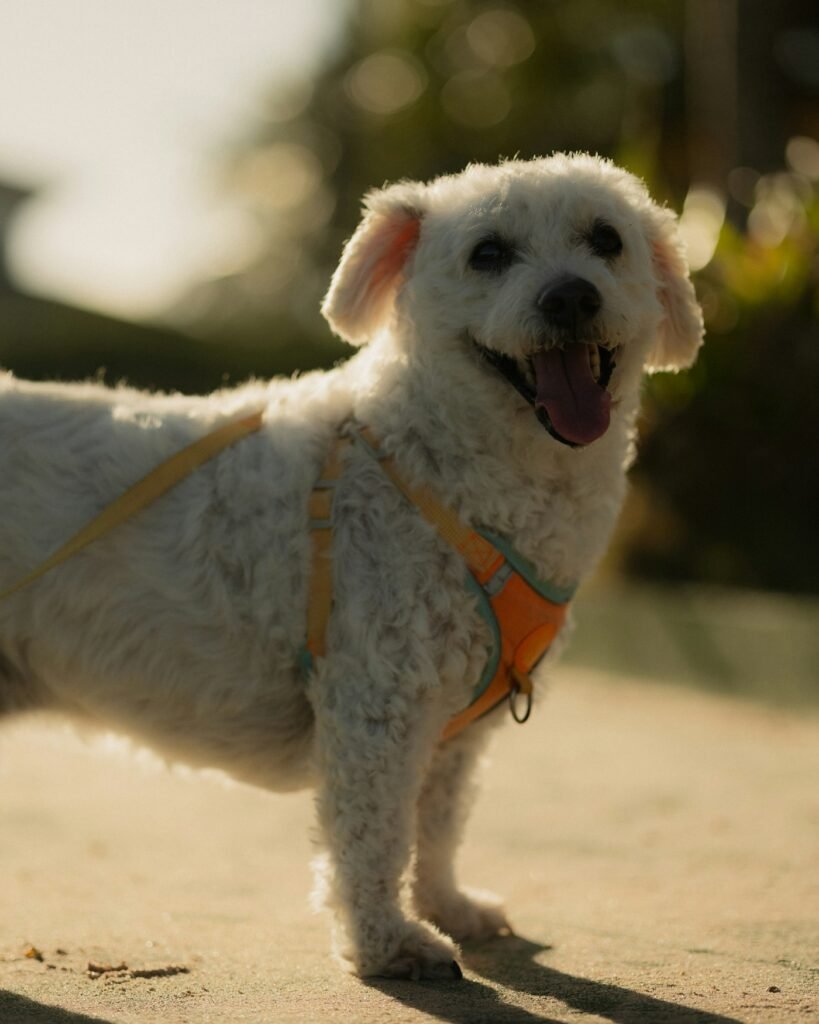
Disclosure: As an Amazon Associate we earn from qualifying purchases. This guide is educational and is not a substitute for advice from your veterinarian.
The most dangerous moment of a summer trip is often the least dramatic one: a five-minute stop, the engine off, the dog left in the back with the windows cracked. By the time you come back, the car has become an oven, and the dog is in trouble. Heat is the single biggest hazard in warm-weather travel, and it is the reason gear like cooling vests exists.
A cooling vest for dogs is a useful tool, but it is a comfort aid inside a larger plan, not a guard against heatstroke. This guide explains how vests work, where they stop working, which dogs are most at risk, and what the rest of the plan should look like, from shade and water to hot pavement and what to do if a dog starts to collapse.
Quick Answer
A cooling vest for dogs can take the edge off warm conditions, but it cannot protect against heatstroke. Evaporative vests work best in dry air, and phase-change ones need chilling. Flat-faced, senior, overweight, and thick-coated dogs overheat more easily. Plan shade, water, and cooler travel times, and treat heatstroke as an emergency.
Which Dogs Overheat First
Any dog can overheat, but risk is not evenly spread.
Flat-faced breeds, such as bulldogs, pugs, and Boston terriers, have narrower airways and cannot pant as efficiently. Senior dogs, puppies, overweight dogs, and dogs with heart or lung disease cope less well with heat. Thick or dark coats absorb warmth. Dogs not used to hot weather, such as one that traveled from a cool climate, need time to adjust.
Context raises risk too. High humidity makes panting less effective, because evaporation slows. Exercise in the heat, a car with poor airflow, and a lack of shade each add to the load. If your dog belongs to a higher-risk group, ask your veterinarian how to adjust travel plans before the trip, since a vest cannot compensate for a risky itinerary.
How Cooling Vests Work, and Where They Stop
Most cooling vests fall into two types.
Evaporative vests are soaked in water, wrung out, and fitted. As the water evaporates, it draws heat from the dog. They work best in dry air with a breeze and perform poorly in humid conditions, where evaporation is slow. Dry fabric offers no benefit, and in some conditions a damp vest could trap warmth against the body.
Phase-change vests use inserts or materials that absorb heat as they change state, and they usually need chilling or activating before use. They can provide a longer-lasting cool surface but add weight and cool less once they warm to body temperature.
Some vests add a reflective outer layer that bounces sunlight. In all cases, a vest does not change a dog’s core temperature fast enough to treat heatstroke, and it can give owners false confidence. Use one as an extra layer of protection, not as a license to push the limits.
Gear and Its Limits
| Gear | How it helps | Limits |
|---|---|---|
| Evaporative cooling vest | Soaked fabric cools through evaporation | Weak in humid air; must be kept wet; not a treatment for heatstroke |
| Phase-change vest | Cool inserts absorb body heat | Needs chilling; loses effect as it warms; adds weight |
| Cooling mat | Gives the dog a cool place to lie | Only helps when the dog is lying on it; see cooling dog beds compared |
| Collapsible water bowl and fresh water | Supports hydration and lets the dog drink at stops | Water alone does not cool a dog in dangerous heat |
| Shade, sunshade, or car window cover | Reduces the heat load on the dog | Does not make a parked car safe |
| Paw wax or boots | Protects pads from rough or warm ground | Does not protect against very hot pavement |
| Reflective or light-colored gear | Reduces absorbed heat | Minor effect compared to shade and water |
Planning the Drive Around the Weather
Heat safety starts with the schedule. Where possible, travel in the cooler parts of the day, and avoid midday stretches in direct sun.
Run the air conditioning before loading the dog. Check that cool air reaches the place where your dog rides, because a crate in a cargo area can stay much warmer than the front seats. Use sunshades on windows near the dog, and avoid dark upholstery in full sun.
Stop regularly for water and rest in shade. Offer small drinks rather than letting the dog gulp. Check the dog’s breathing: calm panting that settles after a rest is normal, while panting that stays loud or labored is a warning sign.
Our road trip packing list for dogs covers water containers and other supplies for hot-weather trips.
Pavement, Sand, and Hot Surfaces
Surfaces in the sun can become much hotter than the air. Pavement, sand, metal, and artificial turf can burn paw pads before you notice.
Press the back of your hand against the surface. If you cannot hold it there for around five seconds without discomfort, it is too hot for bare paws. Walk on grass or shaded paths, choose early morning or evening, or use boots. Paw wax may help with abrasion or mild conditions, but it does not make hot ground safe.
Signs of burned pads include limping, licking the feet, darker or blistered skin, and reluctance to walk. Contact your vet if you see them.
Never in a Parked Car
A closed car heats quickly, and a dog is not able to cool itself in the way you can. Cracking the windows does little to change that. Leaving a dog alone, even briefly, even in mild weather, is a risk that does not need to be taken. Some places also have laws against it.
If you need to go into a shop, bring someone to stay with the dog with the air conditioning running, or choose a drive-through. If the plan requires leaving your dog, change the plan.
What to Do if a Dog Overheats
Act on the early signs, not the late ones. If your dog is panting heavily, drooling, slowing down, or seeking a cool surface, stop and cool them.
- Move the dog to shade or air conditioning right away.
- Offer small amounts of cool water, but do not force it.
- Wet the body with cool water, focusing on the belly, groin, and paws. Avoid ice-cold water or ice baths, which can cause other problems.
- Fan the dog or direct airflow over the wet coat.
- Start cooling and head to the nearest veterinary clinic at the same time. Have someone call ahead. Keep wetting the coat with cool water and run the air conditioning or a fan on the way. Do not use ice-cold water or ice baths, and do not wrap the dog in towels, which can trap heat.
Even if the dog seems to recover, a veterinary check is wise. Heatstroke can affect internal organs, and problems may appear later. The ASPCA travel safety guidance and the ASPCA travel safety guidance offer general guidance on heat safety, and your own vet can advise on your dog’s specific risk.
Fit and Use of a Cooling Vest
If you use a vest, get the fit right. It should sit snugly over the back and chest without restricting the shoulders or breathing. Check for chafing under the legs. Our guide to harnesses for small and flat-faced dogs is a good reference for dogs with unusual proportions, since a poorly sized garment can cause as many problems as it solves.
Rewet an evaporative vest as it dries, and take it off if it is no longer cool. Do not leave a vest on a resting dog for hours, and remove it once the dog is in a cool place.
Advantages
- A vest can reduce heat load during a walk or at a rest stop, and it is portable.
- A vest can encourage owners to bring water and plan shade, if used as part of a routine.
Drawbacks
- A vest can create false confidence and may be ineffective in humidity.
- A vest adds bulk, needs upkeep, and can cause chafing or trap heat when dry.
Bulldog, Senior Lab, Husky: Heat Risk in Practice
Picture a bulldog on a boardwalk in July. The dog is high-risk, and no vest changes that. The plan is early morning, short walks, shade, and a hard stop at the first sign of labored breathing.
Picture a senior Labrador at an outdoor festival. A damp vest, shade, and water access make sense, and so does leaving early if the dog slows. A vest does not replace a plan for a cool rest.
Picture a husky in the back of an SUV on a long drive. The cargo area can be warm. Check airflow, use a crate fan or window covers if appropriate, and stop often.
Mistakes That Put Dogs at Risk
- Trusting the vest to prevent heatstroke. It does not.
- Packing the vest but not the water. A damp vest needs rewetting, and a dog needs to drink at every stop.
- Leaving the dog in the car for a quick errand. The risk is real and fast.
- Walking on hot pavement. Test the surface first.
- Exercising in the midday sun. Move activity to cooler hours.
- Ignoring early signs. The first signs are your window to act.
Taking Heat Safety Onto the Trail
If your plans include hiking, heat and exertion combine. Our guide to dog backpacks and hiking gear covers water, pack loads, and conditioning, and the same rules about turning back early apply.
Frequently Asked Questions
Can I use ice water to cool my dog?
Cool water is recommended; ice-cold water and ice baths can cause problems. Your vet can explain what is safe for your dog.
How long can a dog wear a cooling vest?
It depends on the vest and conditions. Remove it when it is no longer cool or when the dog is resting somewhere comfortable.
Do light-colored dogs run cooler?
A light coat reflects more sun than a dark one, but breed, weight, humidity, and activity matter more. Do not rely on color.
Should I shave my dog for summer?
Do not make that decision alone. A coat can insulate against heat as well as cold, so ask your groomer or vet about what suits your dog’s coat.
Is air conditioning in the car enough?
It helps, but check that cool air reaches your dog and that the dog is not in direct sun. Stop often for water and rest.
How do I know if my dog is too hot?
Heavy panting that does not settle, drooling, a bright red tongue, and lagging behind are early signs. If you see stumbling or collapse, treat it as an emergency.
Build the Plan Before the Heat Arrives
Before your next warm-weather trip, write down three things: where your dog will have shade, where the water stops are, and what you will do if the temperature climbs. A vest in the bag is helpful, and a plan in your head is what actually keeps the dog safe.