
Dog Carriers for Air Travel: Choosing and Preparing
By · Updated November 2, 2026
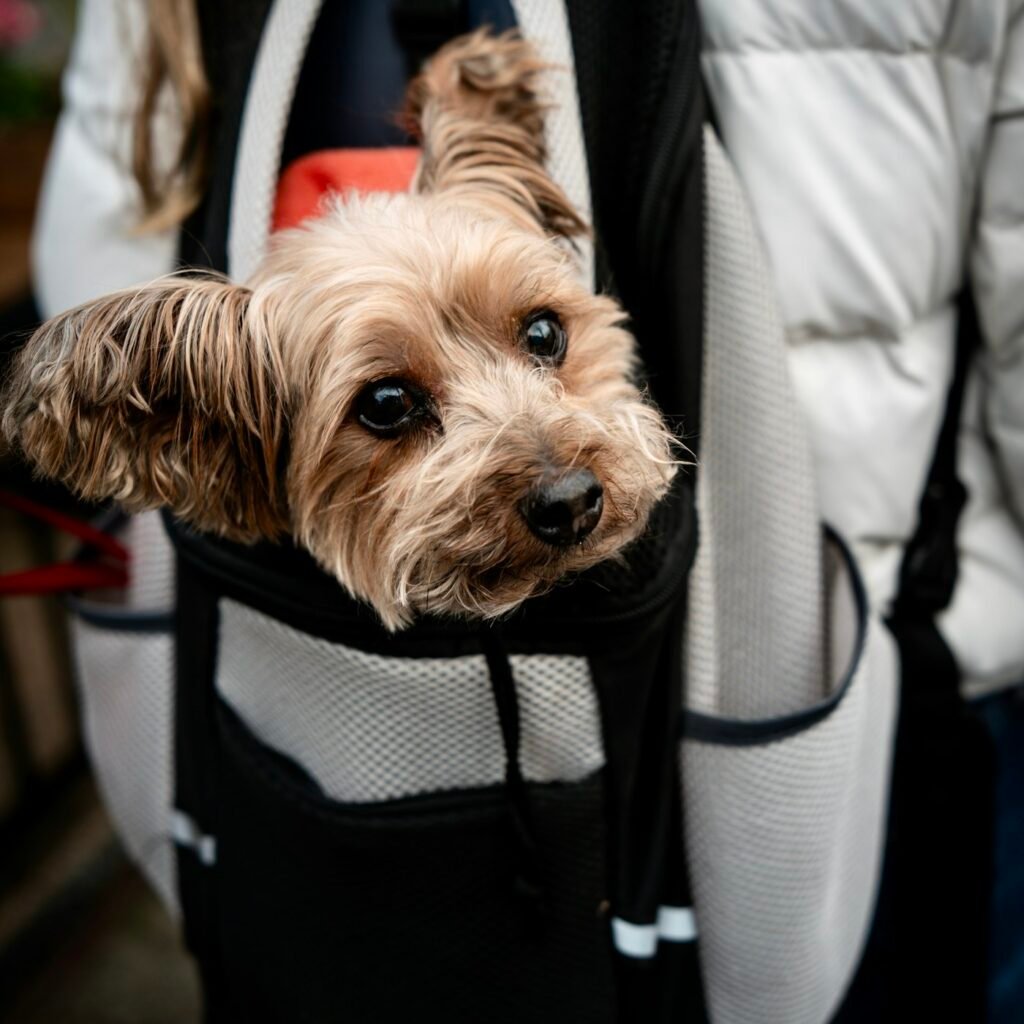
Disclosure: As an Amazon Associate we earn from qualifying purchases. This guide is educational and is not a substitute for advice from your veterinarian.
The phrase “airline approved” appears on a lot of carriers, and it makes the purchase feel settled. It rarely is. Approval is a relationship between a particular airline, a particular aircraft, and a particular size of dog, and a carrier that fits under the seat on one flight may be refused on the next.
Choosing an airline approved dog carrier is therefore less about finding a magic product and more about working through a sequence: pick the airline, read its pet policy, measure the dog, then buy the carrier and prepare your dog for it. This guide follows that order, and it flags where your vet, the airline, and government agencies need to be consulted, because none of them can be skipped.
Quick Answer
No carrier is approved by every airline. Rules differ by airline, aircraft and route, so confirm the current requirements with your specific airline before buying. Measure your dog standing and lying down, choose a carrier that lets them stand and turn, practice at home for weeks, and ask your vet and the USDA about health paperwork.
Cabin or Cargo: Two Different Journeys
Airlines treat pet travel in up to three ways. Small dogs may ride in the cabin in a carrier under the seat in front of you. Some airlines carry larger animals in a temperature-controlled hold area, either as checked baggage or through a cargo service. And a few carriers accept pets only in the cabin or not at all.
Cabin travel keeps your dog with you, and most owners of small dogs prefer it for that reason. Cargo travel is a very different experience for the dog, and it comes with restrictions that vary by breed, season, and route. Many airlines restrict or refuse flat-faced breeds in the hold, and weather embargoes can halt animal transport during very hot or cold periods.
Trained service dogs are covered by separate rules. If that applies to you, check the airline’s service animal process directly, since it is not the same as the pet process.
Start With the Airline, Not the Carrier
Before any shopping, find the airline’s pet policy page and read it for these items: whether your dog’s size qualifies, the stated under-seat dimensions or carrier requirements, how many pets are allowed per flight, whether a pet counts as your carry-on, and what documents are required.
Rules can change, and they differ between airlines and sometimes between aircraft types on the same airline. Do not rely on a size listed on a product page, and do not rely on this guide for figures. Call or message the airline to confirm, then keep a copy of what they say.
If you connect between airlines, or fly internationally, check each carrier’s rules separately. The strictest policy governs your trip.
Measure the Dog, Then the Space
A carrier must be small enough to fit where the airline needs it and large enough for the dog to be comfortable. That is a narrow window, so measure both.
For the dog, measure the height while standing from the floor to the top of the head or ears, whichever is higher. Measure body length from the nose to the base of the tail. A dog should be able to stand without hunching, turn around, and lie down in a natural position.
For the carrier, compare the interior size, not just the exterior. Soft-sided carriers compress somewhat under a seat, but a bulky dog in a rigid container does not. Note whether the airline counts the weight of the dog, the carrier, or both toward a limit.
If the dog only fits with a squeeze, the carrier is the wrong one. Comfort affects behavior on the flight, and a cramped dog may pant, whine, or become distressed.
Soft-Sided or Hard-Sided
Cabin carriers are usually soft-sided because they flex to fit the space under the seat. Look for a leakproof base, ventilation on at least two sides, zippers that lock or can be clipped shut, a shoulder strap, and a stable bottom panel that keeps its shape.
Hold travel generally requires a rigid, ventilated container with a secure latch, and airlines often specify construction details, such as metal fasteners and absorbent bedding. Read the policy for the exact wording, and compare it to the carrier’s description.
Advantages
- Soft-sided carriers fit under seats, weigh less, and are easier to carry through a terminal.
- Soft-sided carriers can often be packed flat when empty.
Drawbacks
- Soft-sided carriers may sag or collapse if poorly built, and a determined dog can claw at mesh.
- Hard-sided carriers are sturdier but do not flex to fit tight under-seat space and can be heavy to carry.
Flat-Faced and Short-Nosed Dogs
Breeds with short airways, such as bulldogs, pugs, and Boston terriers, can have trouble regulating breathing and temperature, and air travel adds stress and heat. Many airlines limit or ban these breeds in cargo. If your dog is flat-faced, ask your vet, in detail, whether flying is appropriate at all, and consider driving or a different plan.
The same caution extends to older dogs, dogs with heart or respiratory conditions, and very young puppies. A veterinarian is the right person to weigh that risk, since it depends on the dog.
Your Preparation Timeline
Work backward from the flight date. Some steps, particularly international health requirements, can take weeks or longer.
| Step | When | Note |
|---|---|---|
| Read the airline’s pet policy | As soon as you plan the trip | Confirm size, fees, and pet limits by contacting the airline directly |
| Check destination rules | Right after booking | For international trips, review the USDA’s pet travel pages and the destination country’s rules |
| Book the pet space | Early | Pet spots per flight are limited |
| Vet visit for health review | Several weeks before | Ask about fitness to fly, vaccines, and a health certificate |
| Buy and measure the carrier | After the policy is confirmed | Compare with the airline’s stated limits |
| Carrier training at home | Start weeks ahead | Meals and naps in the carrier |
| Short practice trips | Over the weeks before | Car rides in the carrier |
| Health certificate | Within the window the airline or country requires | The timing window differs; check it |
| Flight day | Day of travel | Exercise and potty break, ID check, calm routine |
Paperwork and International Rules
For domestic flights, airlines commonly ask for proof of rabies vaccination and sometimes a health certificate issued by a vet within a stated window. The rules differ, so ask the airline what it needs.
International travel is more demanding. Each destination sets its own entry requirements, which can include microchip standards, specific vaccinations, blood tests, treatments, and government endorsement of a health certificate. Some require months of lead time. The USDA APHIS pet travel hub is the official starting point for rules on taking pets abroad and returning home, and your vet can explain what each step involves. If you cannot meet a country’s timeline, the trip may need to change.
A first visit to a new vet for travel paperwork is easier when the clinic knows your dog. Our checklist for a puppy’s first vet visit shows what records to gather, and the same habit applies to adult dogs.
Carrier Training That Works
A dog who first sees the carrier at the airport is likely to treat it as a trap. Training should start weeks ahead, and it should feel boring.
Leave the carrier open in the living room with a comfortable pad inside. Toss treats in. Feed meals in it. Once your dog goes in freely, close the door for a few seconds, then minutes. Then lift it and carry it around the house. Then carry it to the car and take a short drive.
If your dog is already crate-trained, the work is easier. Our guide to choosing a dog crate type explains how different crate styles feel to a dog, which helps when you are transferring a home crate habit to a flight carrier.
Airport Day
Exercise your dog beforehand, and offer a chance to relieve themselves. A light meal several hours before the flight is common advice, but ask your vet what suits your dog. Bring an absorbent pad for the carrier floor, a spare pad, waste bags, and a collapsible water container.
At US security checkpoints, the dog is generally taken out of the carrier and carried or leashed through with you, while the empty carrier goes through the scanner. Use a secure, well-fitted harness and a leash so the dog cannot slip away. Keep ID tags current and confirm microchip details.
On the plane, keep the carrier under the seat and follow crew instructions. Do not take your dog out during the flight unless the airline allows it. A quiet dog is usually a settled one.
Small Dog, Big Dog, Flat-Faced Dog: Three Flight Plans
Picture a 10-pound dog on a short domestic flight. The airline allows one cabin pet per flight, and your dog fits under the seat. The tasks are booking the pet space, buying a carrier within the stated limits, and practicing for several weeks.
Picture a 40-pound dog on a long-haul trip. No cabin option exists for that size on most airlines. The decision is between a cargo service, a pet transport company, or driving. Because the stakes are higher, ask your vet early.
Picture a pug with a ticket booked. The airline may not accept the dog in cargo, and the cabin option depends on size. Before paying, ask your vet whether flying is advisable.
Mistakes That Cost Owners Their Flight
- Buying before reading the policy. A carrier that is a half inch too tall can be refused at the gate.
- Treating “airline approved” as universal. It is a marketing claim unless the airline itself says so.
- Starting training late. One week is rarely enough.
- Using a carrier that is too tight. A dog that cannot turn is stressed.
- Missing the paperwork window. Health certificates may have to be issued within a set period before travel.
- Leaving a leash or dangling accessories on inside the carrier. Anything that can snag on a zipper or mesh is a hazard once you stop watching.
Getting to the Airport Safely
Your dog must also travel to the airport. The same principles apply as on any drive, so see our guide to crash-tested harnesses and crates and our road trip packing list for dogs, which includes documents and comfort items worth carrying on the day.
For general information on caring for a dog through travel and for deciding whether a trip is wise, the ASPCA travel safety guidance offer a useful overview.
Frequently Asked Questions
Can my dog sit on my lap during the flight?
Most airlines require the dog to stay in the carrier under the seat for the whole flight. Check your airline’s policy to see what is allowed.
Should I feed my dog before a flight?
Many vets suggest a light meal several hours before, but this varies. Ask yours, especially if your dog is prone to nausea or has a medical condition.
Do I need a health certificate for a domestic flight?
It depends on the airline and the destination. Some require one issued within a set period, and some states have entry rules, so confirm both with the airline and the destination state’s agricultural authority.
How do I keep my dog calm without sedation?
Practice, familiar scents on the bedding, and a routine pre-flight walk go a long way. If your dog is highly anxious, talk with your vet about options rather than medicating on your own.
Can I use my home crate on a plane?
Only if the airline’s requirements say so. Home crates frequently do not meet airline construction or size standards, so check the policy.
What if my dog is too big for the cabin?
You may have to consider a cargo service, a specialized pet transport company, or driving. Ask your vet whether your dog is suited to hold travel.
Plan Backward From the Flight
Set the flight date on a calendar and count back: paperwork window, vet visit, carrier practice, policy check. If any of those steps looks tight, adjust the trip rather than the preparation. A dog who arrives rested after a well-planned journey is worth more than a bargain fare.