
Waterproof Dog Blankets and Furniture Covers: A Buyer’s Guide
By dogbowwow · Updated November 28, 2026
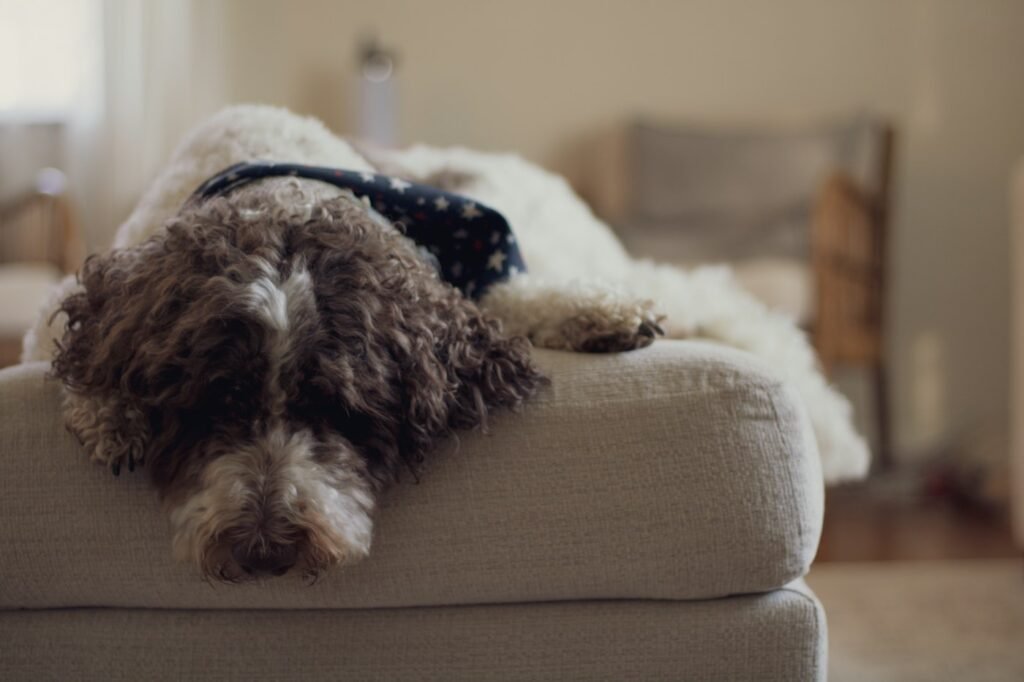
Disclosure: As an Amazon Associate we earn from qualifying purchases. This guide is educational and is not a substitute for advice from your veterinarian.
The first time a wet dog climbs onto the sofa, you learn which blankets are waterproof and which are merely thick. A water-resistant throw may bead the water for a moment, then let it soak through to the cushion beneath. A genuinely waterproof one holds it until you can lift the blanket and wipe the surface.
The difference lies in the layers. A waterproof dog blanket is a small piece of engineering: soft on top, sealed in the middle, grippy underneath. When all three work, you get furniture that stays dry and a dog who gets to stay on the couch. When one fails, you get noise, sliding, or a damp cushion. This guide breaks down what is inside, who needs one, and how to keep the barrier working.
Quick Answer
A waterproof dog blanket works only if it has a real barrier layer, usually a bonded membrane, between the soft top and the backing. Check seams, slip resistance, and size against your couch or seat. Wash gently, because heat and bleach can damage the barrier. A cover protects furniture but does not solve house-training.
What Sits Between the Dog and the Sofa
Most waterproof blankets and covers are built in three layers.
- The top fabric. This is what your dog touches: fleece, quilted polyester, microfiber, or a cotton-blend. It determines comfort, hair pickup, and how easily claws snag.
- The barrier. A thin waterproof membrane or coating. This layer does the real work, and it is usually hidden.
- The backing. The bottom fabric protects the barrier and provides grip against the furniture. Quality here decides whether the blanket stays put.
Some products skip the middle layer and rely on a water-repellent finish on a dense fabric. That is water-resistant, not waterproof, and it can wear out. If the listing says “water-repellent” or “resistant,” expect protection from small drips, not accidents.
How Waterproof Blankets Are Built
The way the barrier is attached changes how the blanket feels and lasts. Here is how common constructions compare.
| Construction | How it works | Feel and noise | Durability | Tends to suit |
|---|---|---|---|---|
| Laminated membrane | A thin film bonded between top and backing | Quieter, flexible, breathable versions exist | Good if washed gently; can delaminate with heat | Daily sofa use, mixed households |
| Coated backing | A liquid or foam coating applied to the back | Often softer, slightly rubbery feel | Coating can crack or peel over time | Occasional use, throws |
| Plastic or vinyl-style sheet | A solid, impermeable layer | Crinkly, can feel hot and clammy | Waterproof, but noisy and can crack at folds | Protecting a surface from heavy leaks |
| Water-repellent fabric only | Dense weave with a surface treatment | Quiet and soft | Treatment fades with washing; not for accidents | Light rain, damp paws |
| Waterproof quilted cover with fill | Barrier layer plus quilted padding | Warm and cushioned | Heavier; slower to dry | Colder rooms, older dogs |
If noise is a problem, sit on the blanket in the store or look for a description that mentions a soft or quiet barrier. A dog who hears a crinkle with each shift may refuse to settle.
Who Gets the Most From a Waterproof Cover
Not every household needs one, but a few situations clearly benefit.
- Puppies, who have frequent accidents while they learn. Our puppy first-night setup guide deals with sleep arrangements, and a cover helps with any shared spaces.
- Senior dogs with leaking or night-time accidents. Pair a cover with a supportive bed; our guide to beds for senior dogs with stiff joints explains how.
- Wet-dog walkers, such as swimmers and dogs who love puddles, who come home soaked.
- Dogs recovering from surgery or with a wound, if your vet has advised protecting furniture or keeping a dog off the couch. Follow veterinary instructions on where the dog should rest.
- Females in season, where bleeding can stain upholstery.
- Dogs with skin problems or heavy shedding, since a washable cover lets you protect the sofa without washing it.
- Households with light-colored or leather furniture, where staining and scratches are costly.
Picture a Labrador who swims every Saturday and shakes herself off on the sofa afterward. A fitted waterproof cover with a quilted top lives on the sofa all week and goes through the wash on Sunday. The couch itself never gets wet.
Slipping, Bunching, and Staying Put
A waterproof blanket that slides is a nuisance, and a blanket that slides under a nervous dog is a hazard. Staying in place is mostly down to the backing and the fit.
- Fitted covers with straps, elastic corners, or tuck-in flaps are far more stable than loose throws.
- Non-slip backing helps, with a textured or dotted rubberized surface working better on fabric than on leather.
- Leather and faux leather are slippery by nature. Blankets can skate off, and some backings leave marks on delicate finishes. Test on a hidden corner first.
- Tucking and anchoring. Push the edges into the seams, use furniture clips, or place a rolled towel in the crease where seat meets back.
If your dog jumps on and off and the cover bunches up, switch to a fitted or strapped version instead of fighting with a throw.
Sizing for Sofas, Beds, and Car Seats
Measure the surface you want to cover before you order. For a sofa, measure the seat depth and width, and the back height if your dog leans against it. For a sectional or recliner, plan for several pieces or a long runner. For a human bed, measure the width of the area the dog uses, not the whole bed.
A throw that covers only the seat leaves the arms and back exposed, and a dog can easily climb onto them. A larger throw can be folded to fit and unfolded when needed.
Car use is a different problem, with its own anchoring and seat-belt considerations; see our comparison of dog car seat covers and hammocks rather than assuming a sofa cover will work in a vehicle.
Caring for the Barrier
The barrier is the part that wears out, and how you wash the blanket decides how long it lasts.
Follow the care label. In general, gentle washing is the safest approach, and several things can harm the waterproof layer:
- High heat in the washer or dryer can soften and damage laminated membranes and coatings.
- Bleach can break down the barrier and the top fabric.
- Fabric softener can coat the fibers and reduce performance.
- Dry cleaning solvents may damage the coating.
- Rough handling, such as scrubbing or wringing, can crack the membrane.
If the label says air dry or tumble dry low, do that. For stains and odors, use a mild detergent, and consider an enzymatic product for pet accidents; our guide to enzymatic cleaners for dog urine, vomit, and odors explains when they help. Our washable dog bed checklist also goes through care-label wording.
A practical habit: shake out hair before washing, because a layer of fur clogs the machine and sticks to the top fabric after the cycle. Dry it fully before folding it away. A blanket stored damp can smell musty, and the smell is hard to remove from a sealed barrier layer. Our guide to removing dog hair from furniture, carpet, and clothes covers tools that also work on blanket tops.
What a Waterproof Cover Does Not Fix
A cover protects furniture. It does not teach a puppy where to go, and it does not stop accidents; it only makes them easier to clean up. If an adult dog begins urinating indoors for the first time, a vet visit is sensible, because medical problems can be the cause. The ASPCA general dog care guidance and ASPCA general dog care guidance offer general information on dog health and behavior.
Remember also that liquid can find a way around the blanket. It can run off the edge, seep through a seam, or pool in a fold and soak the cushion below. Check under the blanket after any significant accident, and clean the cushion if it got wet.
Some barriers also hold warmth, which matters in summer. If your dog seems hot, move to a breathable version or a cooler spot.
Mistakes People Make With Waterproof Blankets
- Confusing water-resistant with waterproof. Resistant fabric buys you seconds, not protection from an accident.
- Buying a throw for a dog who bunches. A fitted or strapped cover stays put.
- Machine-drying on high. The barrier is the first thing to go.
- Using the blanket as a substitute for training. A cover helps with clean-up, not with the cause.
- Ignoring noise. A dog that dislikes the crinkle will avoid the blanket.
- Never checking underneath. Leaks hide where you cannot see them.
Frequently Asked Questions
Are waterproof dog blankets noisy?
Some are, particularly those with plastic-style sheets. Laminated membranes under soft quilted tops tend to be quieter. If your dog is sensitive to noise, look for descriptions that mention a soft, quiet barrier.
Can I use a waterproof blanket on a leather sofa?
Often yes, but the blanket may slide, and some backings can mark delicate finishes. Test in a corner, and use a fitted version or anchoring clips to hold it in place.
Do waterproof blankets make dogs hot?
Some trap heat because the barrier blocks airflow. If your dog is panting or moving off the blanket, try a thinner version or let the dog choose a cooler spot.
How often should I wash a waterproof dog blanket?
Wash when it is dirty or smells, and after any accident. Washing less aggressively, on a gentle cycle, helps the barrier last. Keep a spare so you always have a clean one on the sofa.
Can I use a waterproof blanket after my dog’s surgery?
Only follow your vet’s instructions on where your dog can rest. A cover can protect furniture, but your veterinarian will say whether the dog should be on the couch at all.
Will a cover stop urine odor from reaching the cushion?
Not if liquid seeps around it. Check under the cover after accidents, and treat any soaked cushion with an appropriate cleaner before covering again.
Test the Blanket Before the Next Accident
Do the cup-of-water test the day the blanket arrives, wash it once on the gentlest cycle to check how it handles, and note whether it slides when your dog jumps on. Learn its flaws on your schedule, not in the middle of a muddy afternoon. Then keep a clean spare folded in the closet, so wash day never leaves the couch unprotected.