
How to Choose a Dog Shampoo: Ingredients, pH, and Coat Type
By dogbowwow · Updated November 2, 2026
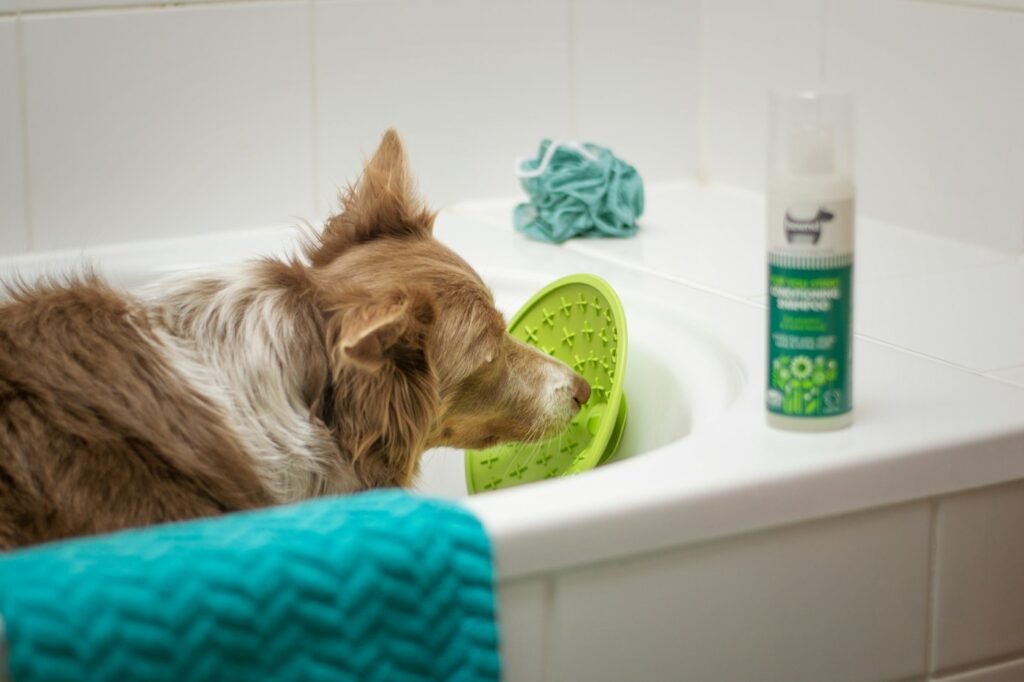
Disclosure: As an Amazon Associate we earn from qualifying purchases. This guide is educational and is not a substitute for advice from your veterinarian.
Shampoo aisles are built to make you buy on smell and promise. A bottle covered in botanicals and “calming” claims looks lovely, but the part that matters is on the back: what the formula does to your dog’s skin, and what is left behind after the rinse. Picking a dog shampoo is a skin decision first and a coat decision second.
That distinction saves a lot of trouble. A fluffy coat can look fine for weeks over skin that is itchy, flaky or oily, and the wrong shampoo can add to the problem. This buyer’s guide explains how to read a label, which ingredient claims deserve caution, how to match a formula to your dog’s real needs, and when a shampoo is no longer a grooming product but a veterinary one.
Quick Answer
Choose a dog shampoo labeled for dogs, matched to your dog's skin first and coat second. Gentle, fragrance-light formulas suit most healthy dogs. Oatmeal or hypoallergenic types suit dry or sensitive skin. Skip essential-oil-heavy products, and use medicated or flea shampoos only as your veterinarian directs, always rinsing thoroughly.
Why Human Shampoo Is the Wrong Starting Point
Many owners ask whether baby shampoo or their own bottle will do in a pinch. The commonly cited reason to avoid it is that dog skin differs from human skin in how it protects itself, so products made for people can strip oils or irritate more easily. The precise differences are beyond what a shampoo label will tell you, and your veterinarian is the right person to ask if your dog has a skin condition.
There is also a practical reason. Human shampoos are designed for hair that is washed often and rinsed under a shower, with fragrances and additives chosen for people. Dog formulas are written for coats that are washed less often and for dogs who will lick themselves afterward. A single wash with a human product is unlikely to be a disaster, but there is no good reason to make it a habit when dog-specific products are widely available.
Start With Your Dog’s Skin, Not the Marketing
Before you open a shopping tab, run your hands over your dog and part the hair in a few spots. You are looking at the skin underneath, not the coat on top.
Picture a short-haired Labrador who swims in a pond every weekend. The skin is healthy but the coat holds odor and dirt, so a mild, general-purpose formula used sparingly does the job. Now imagine a West Highland terrier with dry, flaky patches along the back and a habit of scratching after dinner. A gentle, fragrance-free or soothing formula may help with routine washing, but persistent flaking and scratching call for a veterinary visit before anything else. And a long-coated spaniel with a heavy undercoat needs a shampoo that rinses cleanly, since residue trapped in thick hair is a common cause of irritation.
Four questions help narrow the field: Is the skin normal, dry, oily or irritated? Is the coat short, long, curly, or double? Does your dog roll in things or stay clean? Has your veterinarian mentioned allergies or a skin condition? The answers matter more than any marketing claim.
Need, Look For, Avoid
This table turns the questions above into a quick buying filter. It describes label features to look for and is not a diagnosis; a veterinarian should assess any ongoing skin problem.
| Your dog’s situation | Look for | Avoid |
|---|---|---|
| Healthy skin, ordinary dirt | Plain, gentle, dog-specific formula with light or no fragrance | Strong perfume, heavy colorants |
| Dry or flaky skin (no diagnosed condition) | Oatmeal or soothing, moisturizing formulas; conditioner afterward | Harsh degreasers, frequent washing |
| Sensitive or allergy-prone skin | Fragrance-free or hypoallergenic labeling, short ingredient list | Added essential oils, dyes, long botanical lists |
| Puppy | A product labeled as suitable for puppies | Adult medicated products, flea formulas not cleared for age |
| Long or double coat | A formula that rinses easily, plus a conditioner for tangles | Heavy, sticky conditioning residue |
| Skin problem, odor or greasy coat that keeps returning | A veterinary exam first | Guessing at medicated products |
Reading an Ingredient List Without a Chemistry Degree
You do not need to decode every word. A few reading habits are enough.
First, check that the product is made for dogs and states its intended use, such as cleaning, soothing, or detangling. Then look at what sits near the top of the list, since those ingredients make up most of the formula. Cleansers (surfactants) do the washing, and the rest of the list is support: conditioners, soothing agents, preservatives, scent, and color.
Oatmeal is a common soothing ingredient in dog formulas. It is a reasonable choice for mild dryness, but it is not a treatment for skin disease. Aloe and moisturizing agents appear in many gentle formulas. Fragrance is the most common irritant for sensitive dogs and also the most unnecessary: a dog does not need to smell of cucumber. Colorants are cosmetic only.
Be wary of vague claims. “Natural” and “organic” are not guarantees of gentleness, and “tearless” or “hypoallergenic” are marketing terms that do not mean the same thing across brands. A short, plain ingredient list is usually more helpful than a long, exotic one.
Essential Oils and the Problem With “Natural”
Plant-based does not mean pet-safe. Some essential oils, including tea tree oil, are toxic to dogs and cats, particularly in concentrated form, and they can appear in products sold as natural or soothing. A shampoo with an essential oil blend, or a home recipe that adds a few drops of oil, can cause problems if your dog licks the coat or has sensitive skin.
If you want to check an ingredient, the ASPCA Animal Poison Control resource is the right hub for toxic substances, and the FDA guidance on safe pet-food handling publishes general information on pet product safety. If your dog develops drooling, vomiting, tremors, weakness, or unusual behavior after a bath with any new product, contact your veterinarian or a poison control service immediately.
Medicated and Flea Shampoos: A Veterinary Decision
Shampoos that claim to treat yeast, bacteria, mange or seborrhea are medicated products, and the right one depends on a diagnosis. Using the wrong one can delay treatment or irritate already inflamed skin. If your dog has red patches, a persistent smell, constant scratching or recurring ear and paw problems, see your veterinarian, who may prescribe a shampoo, specify how long to leave it on, and tell you how often to use it.
Flea and tick shampoos are a related trap. They are pesticides, with strict label instructions about age, weight, species and contact time. Never use a dog product on a cat, because some ingredients that dogs tolerate can be dangerous to cats. Do not use a flea shampoo on a puppy unless the label and your veterinarian confirm it is suitable. Follow the label exactly, and ask your veterinarian whether a bath is even the right method of flea control for your dog.
Which Type Suits Which Dog
Advantages
- Plain gentle shampoo is the sensible default for healthy skin and occasional baths.
- Oatmeal or soothing formulas are kind to dry or mildly sensitive skin and widely available.
- Fragrance-free or hypoallergenic types reduce the number of potential irritants.
Drawbacks
- Oatmeal or soothing formulas do not diagnose or treat skin disease, and some include fragrance.
- Fragrance-free or hypoallergenic types can smell of very little, and the label term is not regulated like a medical claim.
- Waterless foams and wipes suit spot cleaning between baths but cannot rinse a dirty coat; see our look at [dog wipes and paw cleaners](post:dog-wipes-and-paw-cleaners-are-they-worth-using).
Rinsing, Dilution, and How Often to Wash
The best shampoo can still cause trouble if it stays in the coat. Soap residue dries the skin and can cause itching that looks like the very problem you were trying to fix. Rinse until the water runs clear, then rinse a little longer, especially in the armpits, groin, chest and under the tail. Our guide to bathing your dog at home walks through a full routine, including water temperature.
Some owners dilute shampoo in a bottle with water so it spreads more evenly and rinses out faster. Check the product label before doing this, since some formulas are meant to be used as supplied.
How often is right depends on your dog. Many healthy dogs do well with a bath every several weeks, while oily, outdoorsy or allergic dogs may need a different schedule set with a veterinarian. Washing too often can strip the coat, and washing too rarely can let dirt build up. If you are unsure, start less often and adjust. Brushing before a bath is just as important; our guide to choosing the right brush for your dog’s coat explains why.
Shampoo Mistakes Worth Avoiding
- Choosing by scent. Strong perfume appeals to the buyer, not the dog.
- Switching products constantly. If your dog starts itching, you will not know which product was responsible.
- Washing with medicated shampoo “just in case.” It is a treatment, not a routine cleaner.
- Skipping the patch test. With a new product, wash a small area first and watch for redness or scratching before bathing the whole dog.
- Getting shampoo in eyes and ears. Use a damp cloth around the face and keep water out of the ears.
- Trusting “natural” as proof of safety. Read the list for essential oils.
- Using the cat’s flea product on the dog, or the dog’s on the cat. Species labels exist for a reason.
Frequently Asked Questions
Can I use baby shampoo on my dog?
It is better than nothing for a one-off emergency, but it is not designed for dog skin, and fragrance or additives vary. A dog-specific formula is a safer habit. Ask your veterinarian if your dog has a skin condition.
Is oatmeal shampoo good for itchy dogs?
It can soothe mildly dry skin during a bath, but it does not treat the cause of itching. Persistent itching can come from allergies, parasites, infection, and more, and needs a veterinary diagnosis.
Do I need a conditioner as well?
Not for every dog. Long, curly or double coats often benefit because conditioner helps hair slide and reduces tangles, while many short-coated dogs do not need one. Rinse conditioner out as thoroughly as shampoo.
How do I know if my dog is reacting to a shampoo?
Watch for redness, increased scratching, flaking, a rash, or licking and chewing after the bath. Rinse again with plain water, stop using the product, and contact your veterinarian if signs persist.
Are puppy shampoos different?
They are usually marketed as milder, but the label matters more than the name. Check the minimum age on the bottle, and ask your vet at the first visit about when to bathe and what to use.
Is dry shampoo or foam a replacement for bathing?
It is a stopgap for odor and light dirt, not a substitute for washing mud or oil out of a coat. Treat it as a way to stretch the time between baths.
Make Your Next Bottle a Short-List Decision
Before your next purchase, flip the bottle over and check three things: it is made for dogs, the ingredient list is short, and the label tells you how to rinse and how often to use it. If anything about your dog’s skin worries you, a veterinary visit will save more money and itching than any shampoo can.